
Sports injuries are common and most of them heal well. Ankle sprains, muscle strains and overuse problems respond to early assessment, progressive loading and a planned, tested return to sport.
A sports injury is any damage to muscle, ligament, tendon or bone that happens during exercise or sport. The ones we see most in Abbotsford are ankle sprains, hamstring, calf and groin strains, and overuse injuries such as shin splints and tendinopathy. Almost all of them respond well to structured rehabilitation.
The two biggest mistakes are resting completely for too long, or going back too soon. Your physiotherapist grades the injury, protects it while it is irritable, then rebuilds strength, balance and speed in stages. Return-to-sport testing helps confirm the tissue is ready before you are back competing.
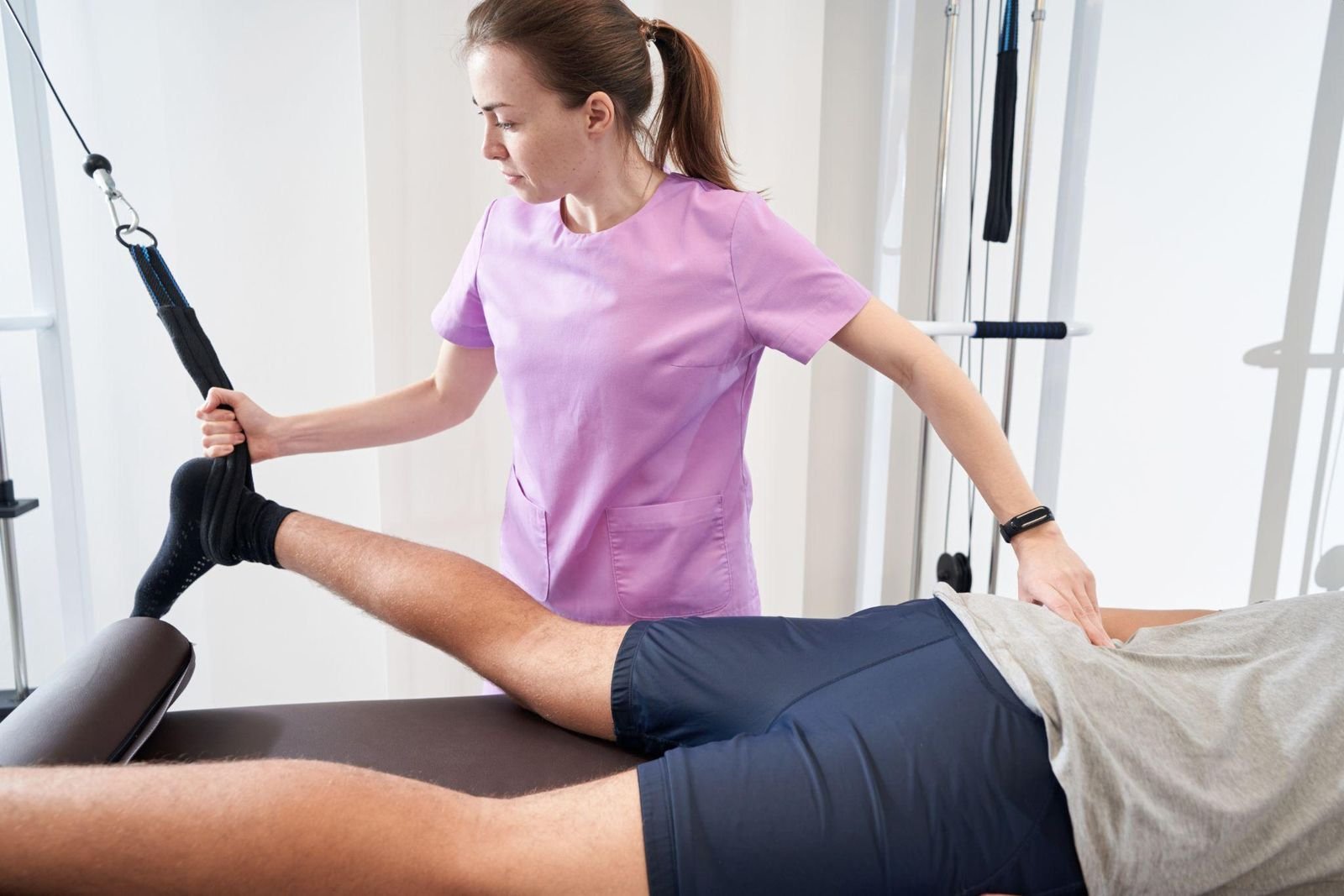
Sports injury physiotherapy is covered under most extended health plans, and we bill your insurer directly wherever the plan allows it. If the injury happened in a car crash or at work, ICBC and WorkSafeBC claims apply instead, with ICBC pre-approving up to 25 physiotherapy visits.
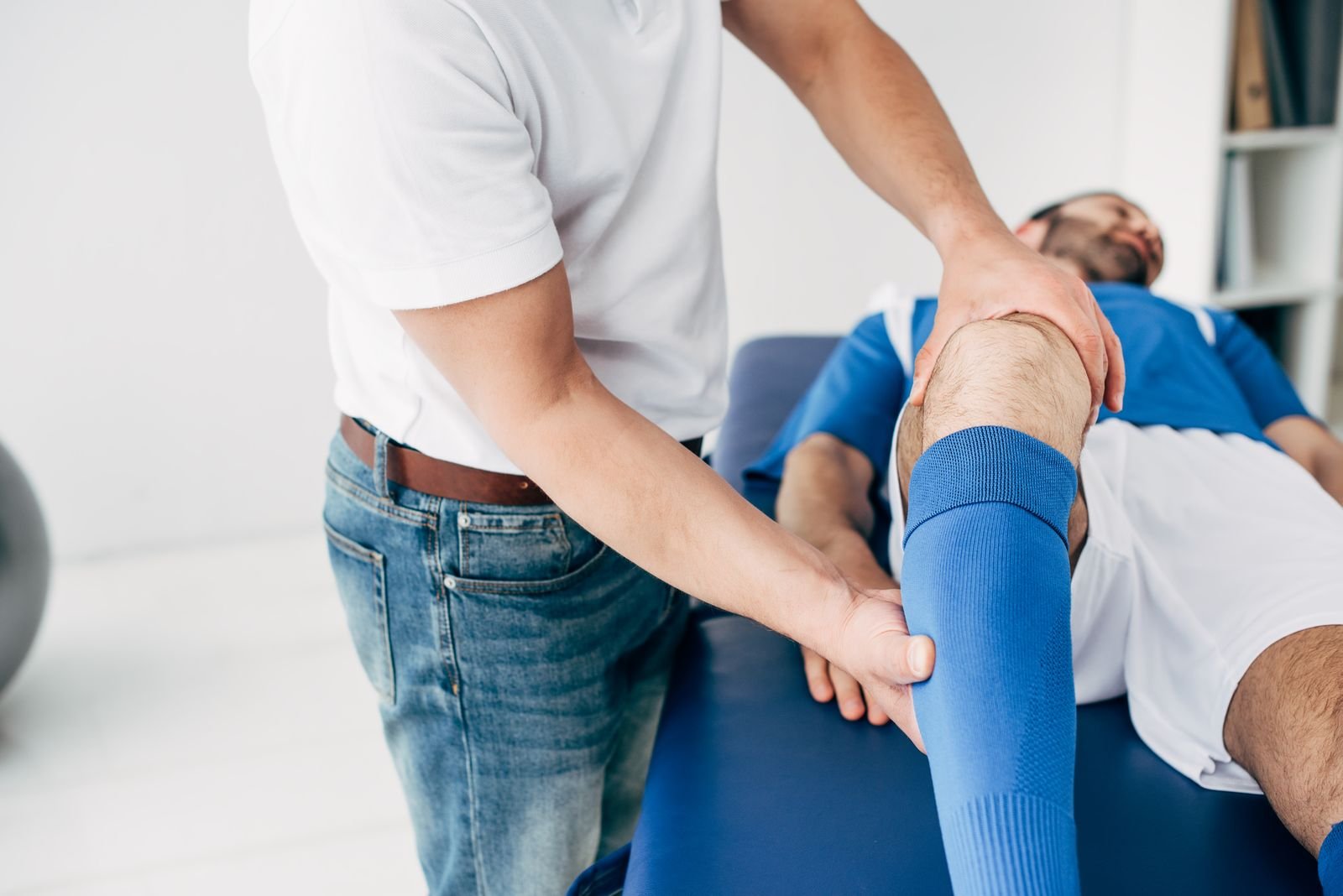
Sprains, strains and overuse injuries each have a typical pattern. These are the signs we hear most often from athletes and active people at their first assessment in our clinic.
Common at the moment an ankle rolls or a hamstring pulls
Usually develops within hours of a sprain or muscle strain
Calf and hamstring strains hurt with sprinting, jumping and stairs
Overuse injuries ache at a specific tendon, shin or heel
Sprained ankles often feel unstable on uneven ground
Common after strains and usually eases as you move
A small number of sports injuries need immediate medical attention rather than physiotherapy first. Seek urgent care if you notice any of the following after an injury.
Most sports injuries come down to a moment of bad luck, a spike in training, or an old injury that never finished healing.
Landing awkwardly or stepping on an uneven surface rolls the ankle and overstretches its outer ligaments. This is the most common acute sports injury we see, and most sprains recover well with early movement and balance retraining.
Most commonSprinting, kicking and sudden changes of direction can load a muscle faster than it can absorb. Strains range from mild overstretching to partial tears, and grading the injury at assessment shapes how quickly loading can progress.
Overuse injuries such as shin splints and Achilles tendinopathy usually follow a rapid jump in distance, intensity or frequency. The tissue was not given enough time to adapt, so it becomes irritated rather than stronger.
A previous injury is one of the strongest predictors of the next one. Returning to sport before strength, balance and control are restored leaves the tissue vulnerable, which is why we test before clearing a full return.
Weak hips, stiff ankles or poor landing mechanics can concentrate load on one structure. A movement assessment often finds these contributors, and correcting them is part of preventing the injury from coming back.
Many injuries happen late in a game or training week, when tired muscles absorb force less effectively. Sleep, rest days and sensible scheduling matter as much as any exercise we prescribe.
We test the injured area, grade the sprain or strain, screen for anything that needs a doctor or an X-ray, and set a baseline for strength and movement.
You leave the first visit knowing what is injured, roughly how long it usually takes to heal, and what you can safely keep doing while it does.
Manual therapy, soft tissue work and taping or bracing help settle pain and swelling so you can start moving and loading the area earlier.
Progressive strength, balance and speed work rebuilds capacity, and objective testing helps confirm you are ready before returning to full training and competition.
Mild ankle sprains typically settle in two to six weeks and muscle strains in three to eight, while overuse injuries can take longer once training habits are addressed. Higher grade tears need more time, and your physiotherapist will give you an honest estimate at assessment.
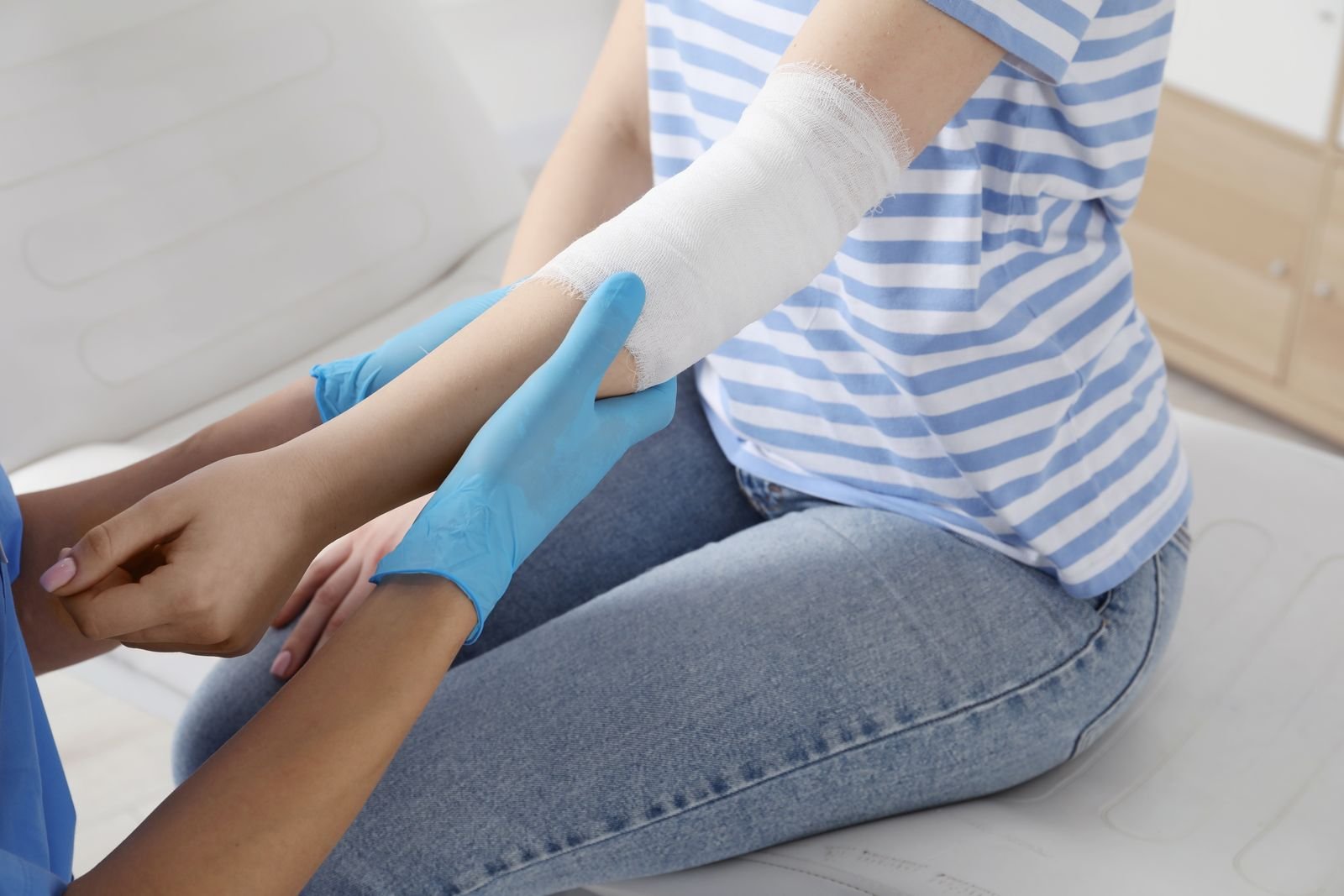
Your plan is built around progressive rehabilitation, with these services added when they help you move and load sooner.
Assessment, manual therapy, taping and a staged exercise program form the core of sports injury care, from the first visit through to return-to-sport testing.
Supervised, sport-specific strength and conditioning bridges the gap between early rehab exercises and the demands of full training and competition.
Helps ease protective muscle tightness around a strain or sprain, which can make movement more comfortable during rehabilitation.
Often used for stubborn tendon problems such as Achilles or patellar tendinopathy when they have not responded to loading exercises alone.
Fine needles target tight, overactive muscle bands that develop around an injury, which may reduce pain and help restore normal movement.
For recurring ankle sprains, shin splints or foot pain, orthotics can adjust how load travels through the foot and lower leg.

Assessment, hands-on treatment and staged rehab for sprains, strains and overuse injuries.
Learn more

Active rehabilitation and sport-specific conditioning to rebuild strength for a return to play.
Learn more
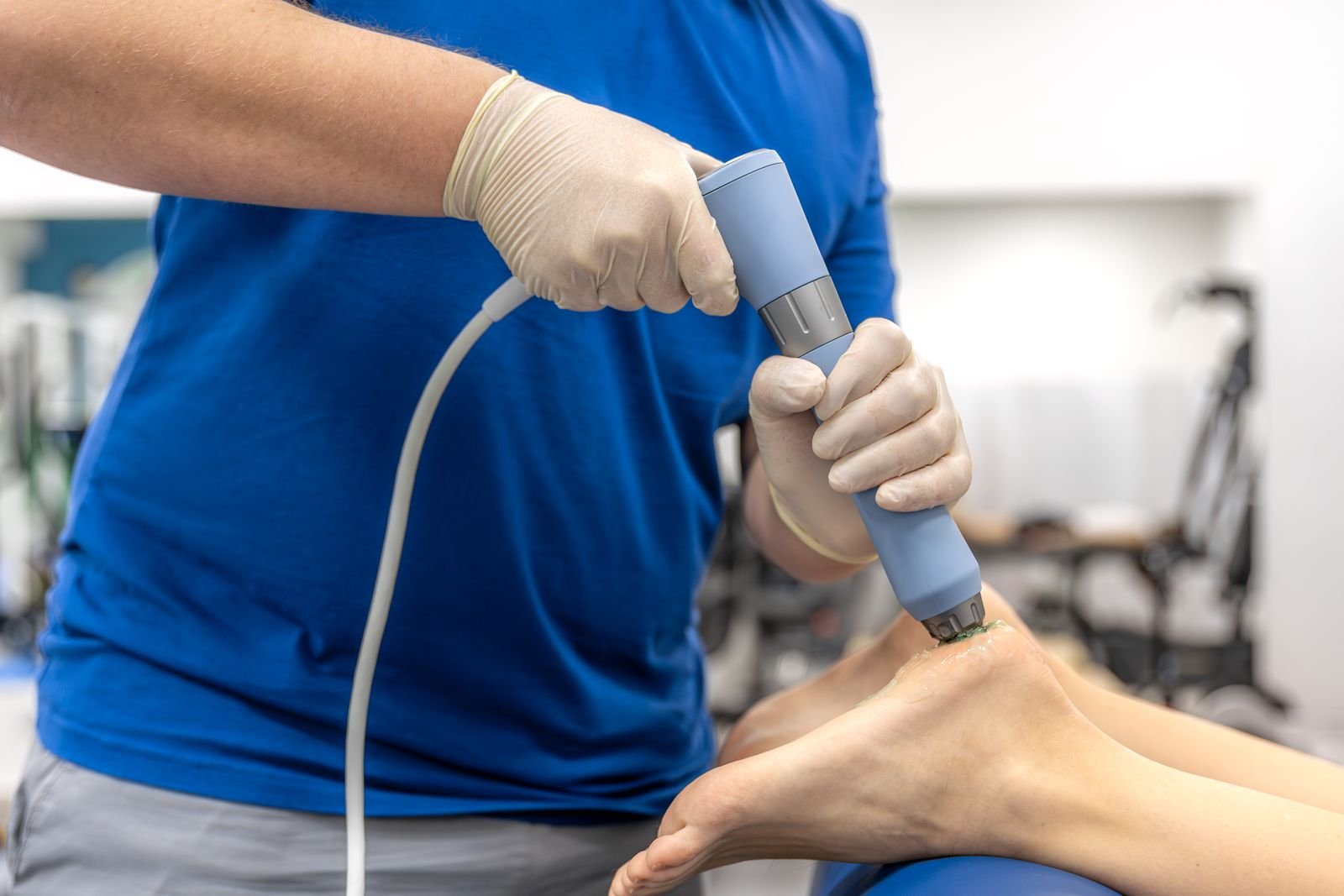
An option for stubborn tendinopathies that have not settled with loading exercises alone.
Learn moreOur friendly team is happy to help. Reach us during clinic hours. We are open 8:00am to 8:00pm on Tuesday and Thursday, and 9:00am to 6:00pm on Monday, Wednesday, Friday, Saturday and Sunday.

Book an appointmentUsually not. We screen every ankle injury using established clinical rules that identify who needs an X-ray, and refer you the same day if you do. Most sprains are diagnosed and managed without imaging.
Neither extreme helps. In the first few days we protect the injury and manage swelling, then reintroduce movement and load as irritability settles. Complete rest for weeks usually slows recovery and makes the return to sport harder.
It depends on the injury, its grade and your sport's demands. Rather than guessing by the calendar, we use strength, balance and hop testing to compare the injured side against the other before clearing full training.
No. You can book directly with us, and most extended health plans do not require a referral for physiotherapy. We bill most insurers directly, and ICBC pre-approves up to 25 physiotherapy visits after a crash.
Balance and strength training substantially reduce reinjury risk, and bracing or taping can add protection during the first months back at sport. Finishing the full rehab program, not just the pain-relief phase, matters most.
Open 8:00am to 8:00pm on Tuesday and Thursday, and 9:00am to 6:00pm on Monday, Wednesday, Friday, Saturday and Sunday with direct billing to most extended health plans. Book an assessment and start a clear, staged plan back to play.