
Support through pregnancy and structured recovery afterwards so returning to exercise, work and lifting happens safely rather than by guesswork.
Pregnancy places sustained load on the pelvic floor, abdomen and lower back and the changes do not simply reverse when the baby arrives. Yet most people receive one six-week check and very little guidance about what is safe to do afterwards.
Physiotherapy fills that gap on both sides: managing pain and preparing your body during pregnancy, then rebuilding strength, continence and confidence afterwards at a pace matched to your recovery, whether that was a straightforward birth or a difficult one.
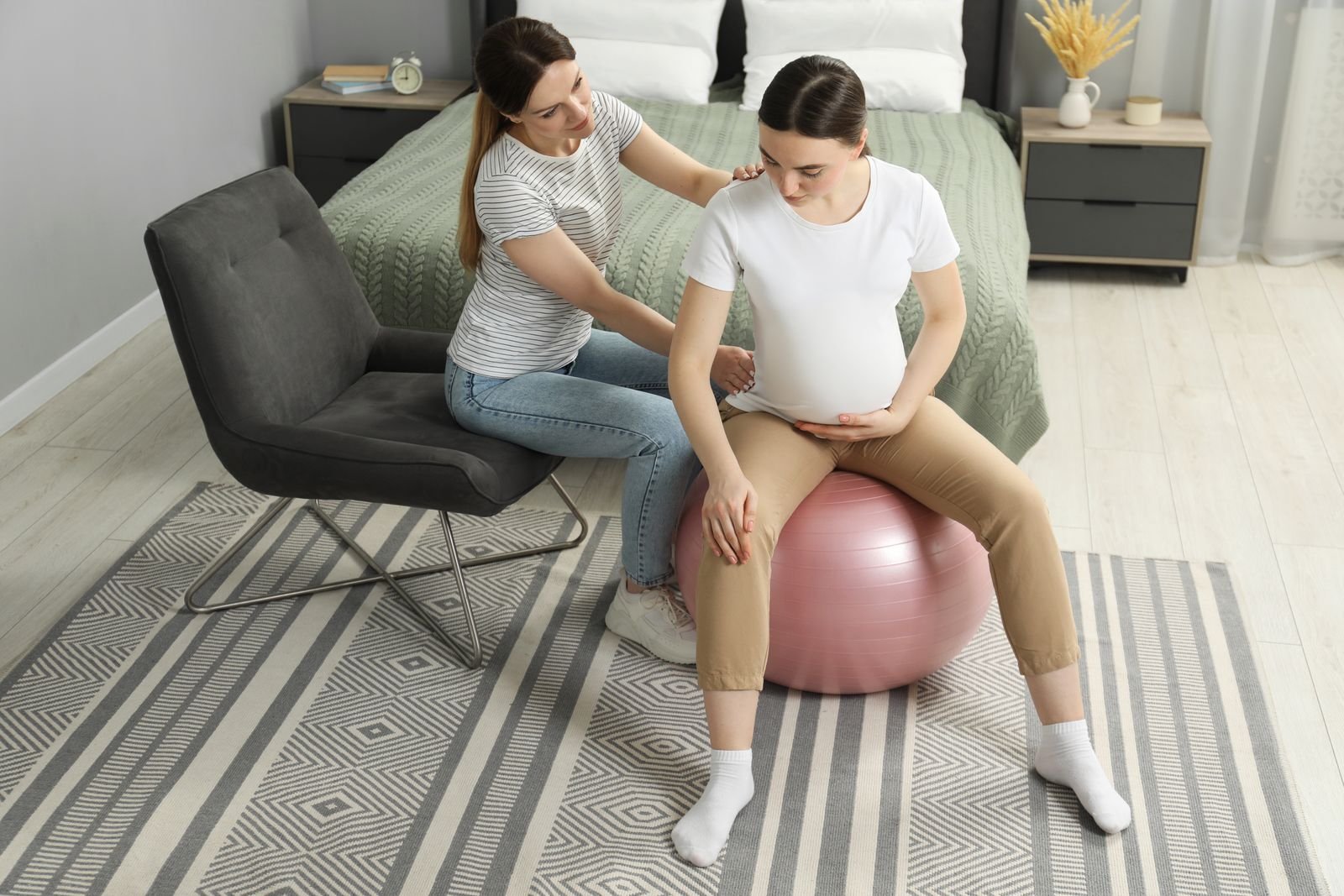
Every pelvic health appointment takes place in a private treatment room. We explain everything before it happens, internal assessment is always optional and you can pause or stop at any point. You are welcome to bring someone with you.
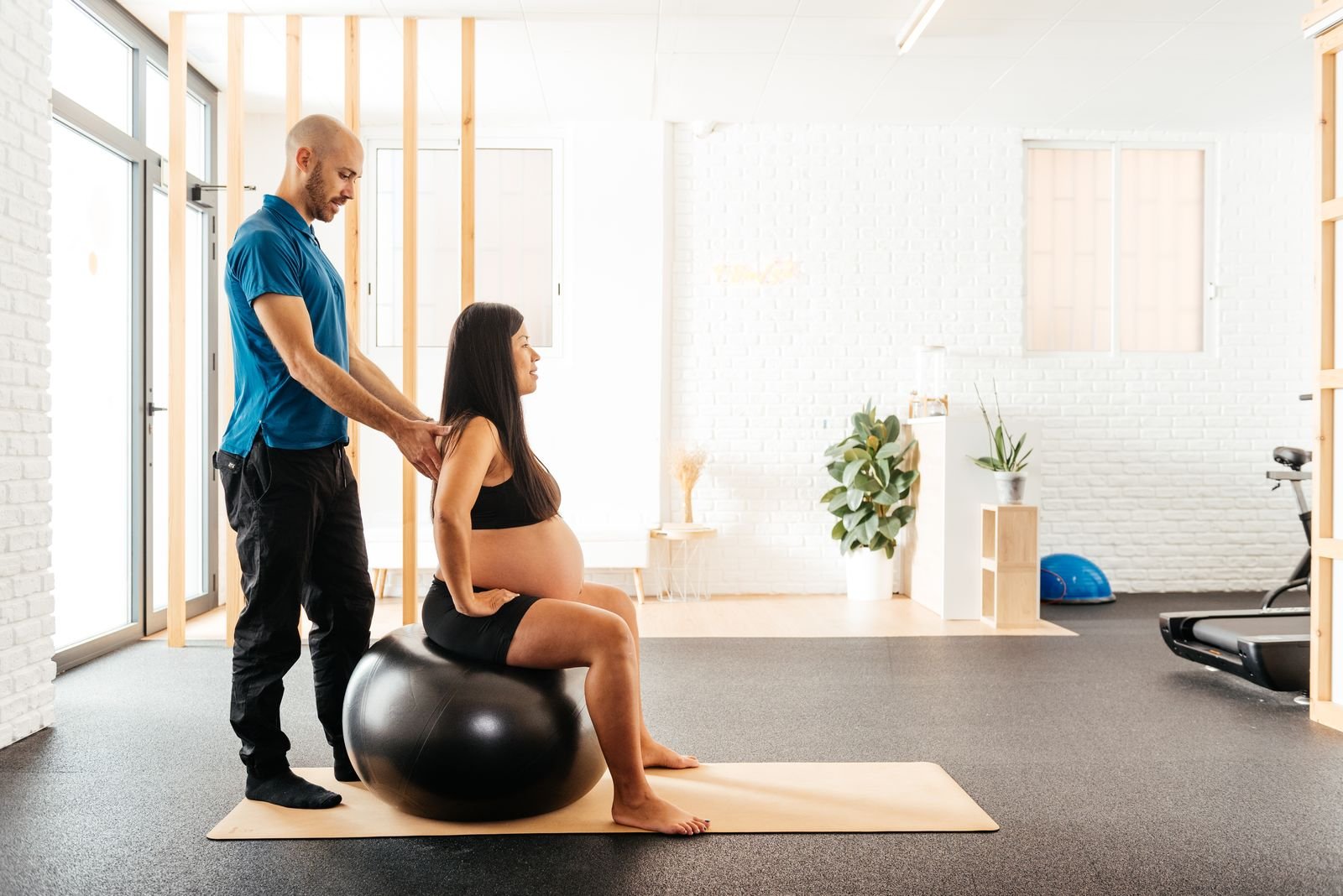
Any combination of these is worth having assessed. You do not need to be certain what is causing it before you book.
If you have been living with this for years, that does not reduce the chance of improvement. Long-standing symptoms still respond to treatment.
Physiotherapy is safe throughout pregnancy and after birth but contact your maternity provider or emergency services immediately for:
Usually a combination rather than one single factor. Identifying which apply to you is what shapes your treatment.
A growing bump shifts your centre of mass and steadily increases demand on the back and pelvis.
Relaxin and related hormones increase tissue laxity, altering how joints share load.
The abdominal wall stretches during pregnancy and needs graded reloading afterwards.
Both vaginal birth and caesarean place specific demands on the pelvic floor and abdominal wall.
Hours of feeding, lifting and carrying create their own neck, back and shoulder problems.
Or too slowly, both delay recovery. The right graded progression matters more than the calendar.
A private conversation and assessment of posture, breathing, abdominal and pelvic floor function, adapted to your stage.
Hands-on treatment, support advice and specific exercise for pelvic girdle or back pain during pregnancy.
Preparing for birth or beginning graded rebuilding afterwards, including abdominal separation and continence.
A staged plan back to running, lifting or sport, progressed on how your body responds rather than a fixed timeline.
Pelvic health assessment can include an internal examination, which gives the clearest picture of how the muscles are working. It is always optional, never a condition of treatment and many people begin with external assessment only. Nothing happens without your explicit agreement and you can change your mind at any point.
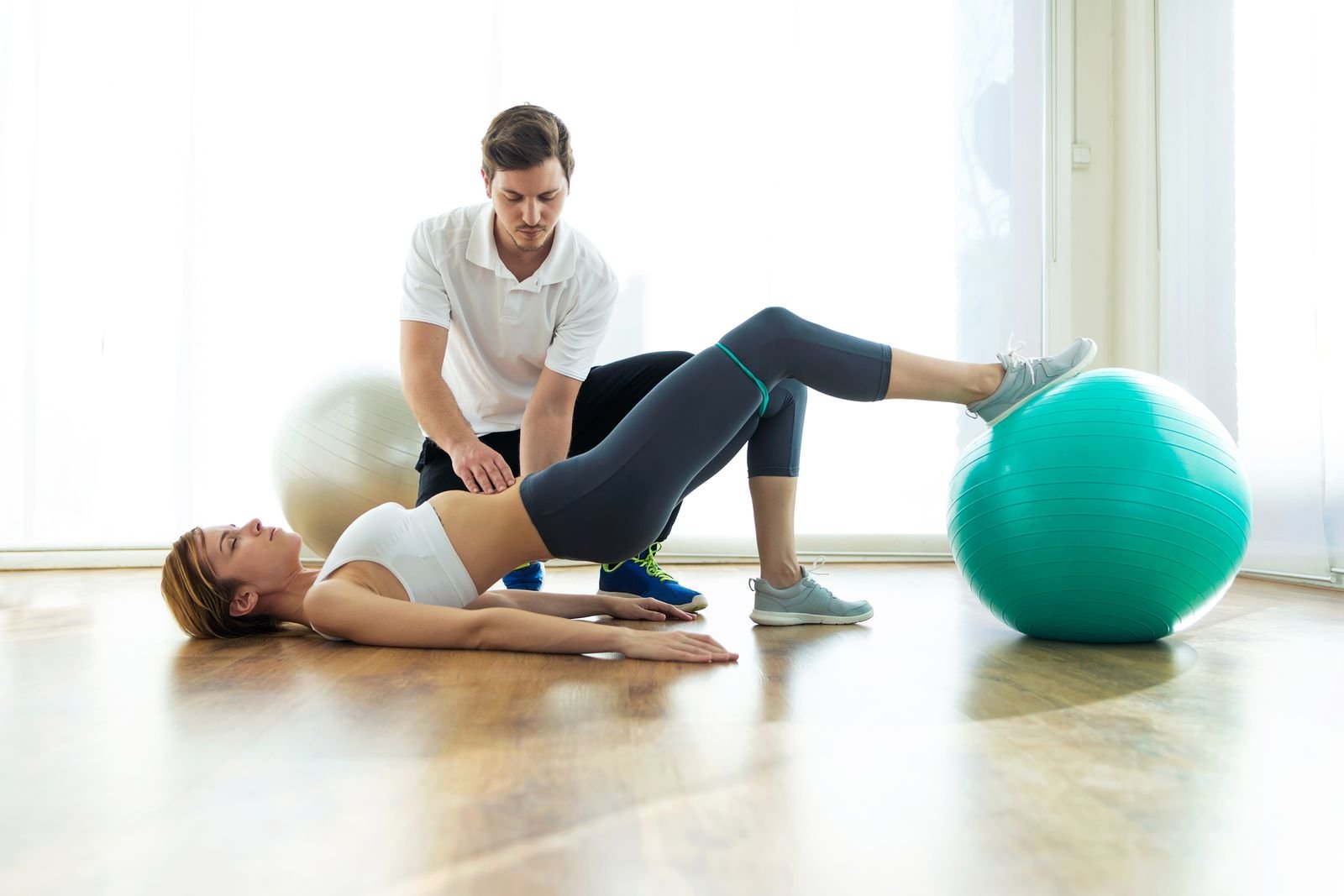
Your plan is built around your assessment. Depending on what we find, treatment may draw on a combination of these.
Hands-on care and support belts for pubic and sacroiliac pain during pregnancy.
Strength and mobility work adapted to each trimester and to your postnatal stage.
Breathing, positioning and pelvic floor release techniques to use during labour.
Graded reloading of the abdominal wall, well beyond generic core exercises.
Restoring pelvic floor function where leaking has appeared during or after pregnancy.
Criteria-based progression rather than a date on the calendar.

Private, consent-led care for bladder, pelvic and postnatal concerns.
Learn more

Hands-on assessment and treatment to identify contributing factors of your pain.
Learn more

Supervised exercise programs that rebuild strength and confidence.
Learn moreOur friendly team is happy to help. Reach us during clinic hours. We are open 8:00am to 8:00pm on Tuesday and Thursday, and 9:00am to 6:00pm on Monday, Wednesday, Friday, Saturday and Sunday.
Book an appointmentGentle work can begin in the early weeks and a full assessment is usually appropriate around six weeks. If you had a difficult birth or caesarean, we adapt accordingly.
Yes. Treatment and exercise are adapted for each trimester, including side-lying positioning for comfort.
Most guidance suggests around three months at the earliest and only once you meet certain strength and continence markers. We test those rather than guess.
Yes. Diastasis responds to graded loading of the whole abdominal wall. We assess the gap and, more importantly, how well it generates tension.
No. You can book directly and most extended health plans cover physiotherapy.
These conversations are routine for us and they are the first step to something very treatable. Book privately online or call and speak to our team.