
Leaking is common but it is not something you simply have to live with. Pelvic floor physiotherapy resolves or substantially improves most cases.
Urinary incontinence means leaking urine when you do not intend to. It affects a large proportion of women at some point, particularly after childbirth or around menopause and a significant number of men after prostate surgery. Very few people raise it, which is why so many assume it is permanent.
It is not. The pelvic floor is a group of muscles and like any muscle group it responds to assessment and targeted training. Research consistently shows pelvic floor physiotherapy as a first-line treatment, ahead of surgery, for most types of incontinence.
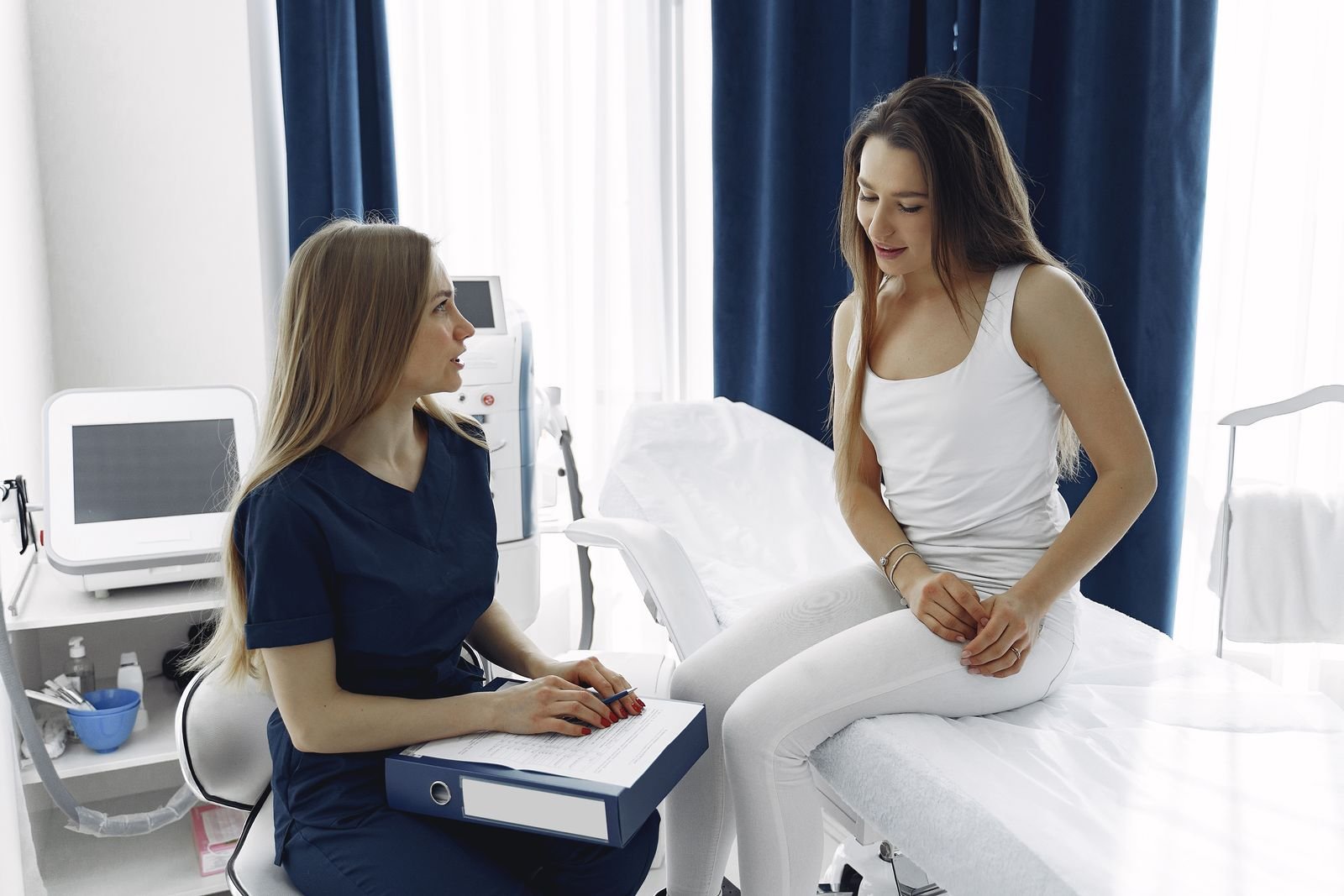
Every pelvic health appointment takes place in a private treatment room. We explain everything before it happens, internal assessment is always optional and you can pause or stop at any point. You are welcome to bring someone with you.

Any combination of these is worth having assessed. You do not need to be certain what is causing it before you book.
If you have been living with this for years, that does not reduce the chance of improvement. Long-standing symptoms still respond to treatment.
Most incontinence is safely treated with physiotherapy but see your doctor promptly if you notice:
Usually a combination rather than one single factor. Identifying which apply to you is what shapes your treatment.
Muscles that cannot generate enough closing pressure when the abdomen is loaded by a cough or a lift.
Counter-intuitively, muscles held permanently tight can also leak, because they cannot contract further when needed.
Carrying and delivering a baby stretches and loads the pelvic floor, sometimes with lasting effects.
Falling oestrogen affects the tissue of the pelvic floor and urethra, often changing continence in midlife.
Going “just in case”, restricting fluids or straining can gradually train urgency and frequency.
Men frequently experience temporary or persistent incontinence following prostate procedures.
We discuss your symptoms, your history and your goals in a private room, without hurry. Nothing is assessed before you understand what is involved.
External assessment of posture, breathing, abdominal and pelvic floor function. Internal assessment gives the clearest picture but is always optional.
You get a clear explanation of what is happening and what will help, whether that is strengthening, learning to relax, bladder retraining or a combination.
Exercises and habit changes progressed over several weeks, with review appointments to track improvement.
Pelvic health assessment can include an internal examination, which gives the clearest picture of how the muscles are working. It is always optional, never a condition of treatment and many people begin with external assessment only. Nothing happens without your explicit agreement and you can change your mind at any point.

Your plan is built around your assessment. Depending on what we find, treatment may draw on a combination of these.
Learning to contract correctly and, just as importantly, to fully relax between contractions.
Structured strategies to lengthen the time between visits and settle urgency.
Coordinating the diaphragm, abdomen and pelvic floor so pressure is managed during effort.
Gentle hands-on techniques where muscles are tight, tender or poorly coordinated.
Building continence into lifting, running and the movements that trigger leaking.
Practical advice on fluids, caffeine and toileting habits that quietly worsen symptoms.

Private, consent-led care for bladder, pelvic and postnatal concerns.
Learn more

Hands-on assessment and treatment to identify contributing factors of your pain.
Learn more

Supervised exercise programs that rebuild strength and confidence.
Learn moreOur friendly team is happy to help. Reach us during clinic hours. We are open 8:00am to 8:00pm on Tuesday and Thursday, and 9:00am to 6:00pm on Monday, Wednesday, Friday, Saturday and Sunday.
Book an appointmentIt is common but common is not the same as normal or permanent. Most cases improve substantially with treatment, at any age.
It provides the most accurate assessment but it is always optional and never a condition of treatment. Many people begin with external assessment only.
Many people notice change within four to six weeks of consistent work, with continued improvement over three months.
Often not. Kegels done incorrectly or done when the muscles are already too tight, can make symptoms worse. Assessment is what makes the exercise effective.
Yes. Male pelvic health, particularly after prostate surgery, is treated with the same approach.
These conversations are routine for us and they are the first step to something very treatable. Book privately online or call and speak to our team.