
Persistent pain in the pelvis, hips or lower abdomen often has a muscular component that responds well to physiotherapy.
Pelvic pain is often dismissed or endured for years before anyone assesses the muscles involved. It can present as deep aching, burning, pressure or pain with sitting, exercise or intimacy and it frequently overlaps with hip and low back symptoms.
Where a medical cause has been ruled out or treated, persistent pelvic pain very often involves overactive, guarded pelvic floor muscles. Those muscles respond to hands-on treatment, breathing retraining and graded exposure, in the same way any other muscle group does.
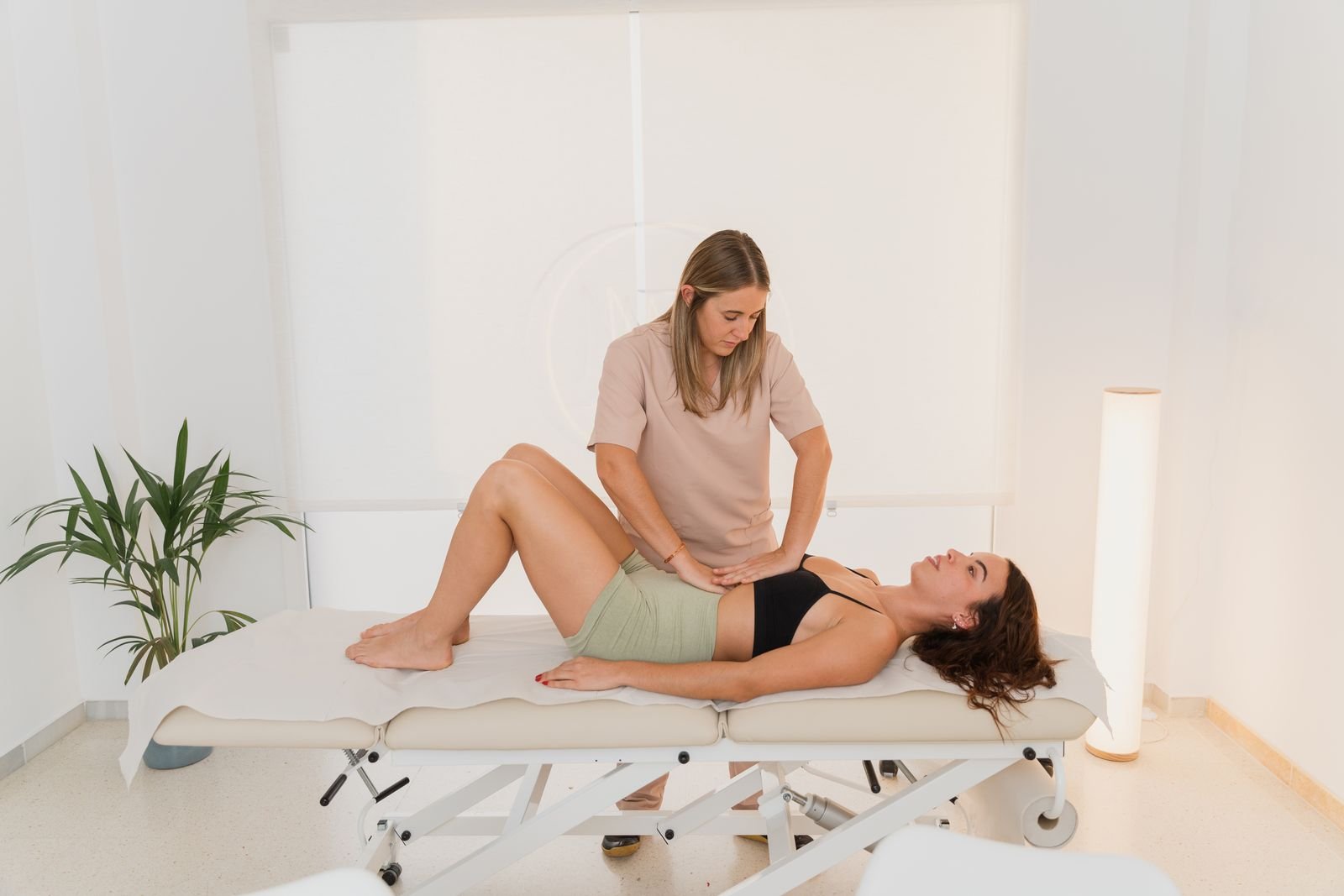
Every pelvic health appointment takes place in a private treatment room. We explain everything before it happens, internal assessment is always optional and you can pause or stop at any point. You are welcome to bring someone with you.

Any combination of these is worth having assessed. You do not need to be certain what is causing it before you book.
If you have been living with this for years, that does not reduce the chance of improvement. Long-standing symptoms still respond to treatment.
Pelvic pain always deserves medical assessment alongside physiotherapy. See your doctor promptly if you have:
Usually a combination rather than one single factor. Identifying which apply to you is what shapes your treatment.
Muscles held in a protective, shortened state develop trigger points and refer pain across the pelvis.
Scar tissue can restrict movement between tissue layers and remain sensitive long after healing.
The pelvis shares muscle attachments with the hips and lumbar spine so problems there refer pain inward.
Long-standing pain can leave the nervous system more protective, amplifying signals from the area.
Sustained bracing through the abdomen keeps constant load on the pelvic floor.
Endometriosis, infections or bladder conditions can leave a muscular pain pattern behind after treatment.
A private, unhurried conversation about your symptoms, what has already been investigated and what you want to get back to.
We assess the pelvis alongside the hips, lower back and breathing, because pelvic pain is rarely isolated to one structure.
A clear account of what we found and why it hurts. For persistent pain, understanding the mechanism is genuinely part of the treatment.
Manual therapy, downtraining, breathing work and graded return to the activities pain has taken from you.
Pelvic health assessment can include an internal examination, which gives the clearest picture of how the muscles are working. It is always optional, never a condition of treatment and many people begin with external assessment only. Nothing happens without your explicit agreement and you can change your mind at any point.

Your plan is built around your assessment. Depending on what we find, treatment may draw on a combination of these.
Teaching overactive pelvic floor muscles to release rather than adding more strengthening.
Gentle internal or external release of tender, restricted muscle, entirely at your consent.
Restoring diaphragmatic breathing to reduce constant pressure and guarding.
Addressing the surrounding joints and muscles that share load with the pelvic floor.
Carefully reintroducing sitting, exercise or intimacy at a pace your system tolerates.
Practical understanding of persistent pain, which reliably reduces its intensity over time.

Private, consent-led care for bladder, pelvic and postnatal concerns.
Learn more


Hands-on assessment and treatment to identify contributing factors of your pain.
Learn moreOur friendly team is happy to help. Reach us during clinic hours. We are open 8:00am to 8:00pm on Tuesday and Thursday, and 9:00am to 6:00pm on Monday, Wednesday, Friday, Saturday and Sunday.
Book an appointmentNo. It can be very informative but it is optional and effective treatment often begins externally while trust is established.
Not at all. Normal imaging simply means no structural disease was found. Muscular and nervous system causes do not appear on scans and they are treatable.
Persistent pelvic pain usually improves over a few months rather than weeks. Most people notice meaningful change well before the end of that.
For many people, yes. Persistent pain and stress amplify each other and we have a registered clinical counsellor on site if you want that support.
These conversations are routine for us and they are the first step to something very treatable. Book privately online or call and speak to our team.