
Heaviness or pressure in the pelvis is common after childbirth and around menopause and conservative treatment helps a great many people avoid surgery.
Pelvic organ prolapse happens when the support around the bladder, uterus or bowel gives way, allowing them to descend into the vaginal wall. It is extremely common after childbirth and around menopause and the first sign is usually a sense of heaviness, dragging or pressure.
Discovering it is frightening for most people. It is worth knowing that prolapse is graded, that mild degrees are very common and that symptoms often improve considerably with pelvic floor training and pressure management, which is why it is recommended as first-line treatment before surgery is considered.
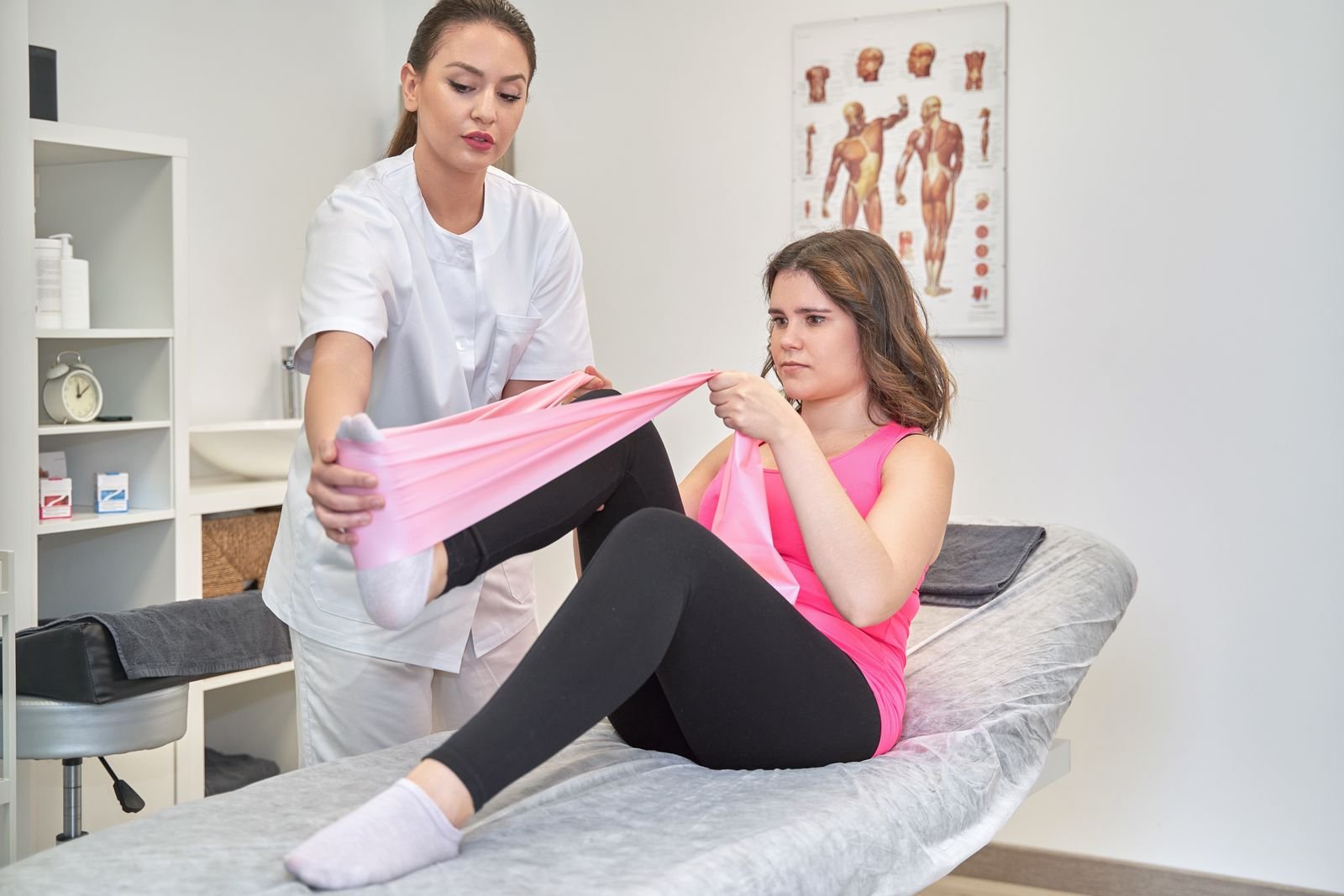
Every pelvic health appointment takes place in a private treatment room. We explain everything before it happens, internal assessment is always optional and you can pause or stop at any point. You are welcome to bring someone with you.
Any combination of these is worth having assessed. You do not need to be certain what is causing it before you book.
If you have been living with this for years, that does not reduce the chance of improvement. Long-standing symptoms still respond to treatment.
Prolapse itself is not an emergency but contact your doctor if you experience:
Usually a combination rather than one single factor. Identifying which apply to you is what shapes your treatment.
The single most common contributor, particularly after long labours, larger babies or assisted delivery.
Falling oestrogen reduces the strength and elasticity of supporting tissue.
Long-standing constipation or a persistent cough places repeated downward pressure on the pelvic floor.
Repeated lifting without managing pressure, at work or in the gym, adds cumulative load.
Some people simply have more elastic connective tissue, which raises risk regardless of lifestyle.
Sustained increases in abdominal pressure contribute over time.
A private conversation about what you are feeling, when it is worst and what you want to return to doing.
External and, with your consent, internal assessment to grade the prolapse and assess muscle function and pressure management.
What the grading means, what is realistic and what treatment can and cannot change. Most people leave far less frightened than they arrived.
A progressive programme, plus practical changes to lifting, exercise and bowel habits to reduce downward pressure.
Pelvic health assessment can include an internal examination, which gives the clearest picture of how the muscles are working. It is always optional, never a condition of treatment and many people begin with external assessment only. Nothing happens without your explicit agreement and you can change your mind at any point.
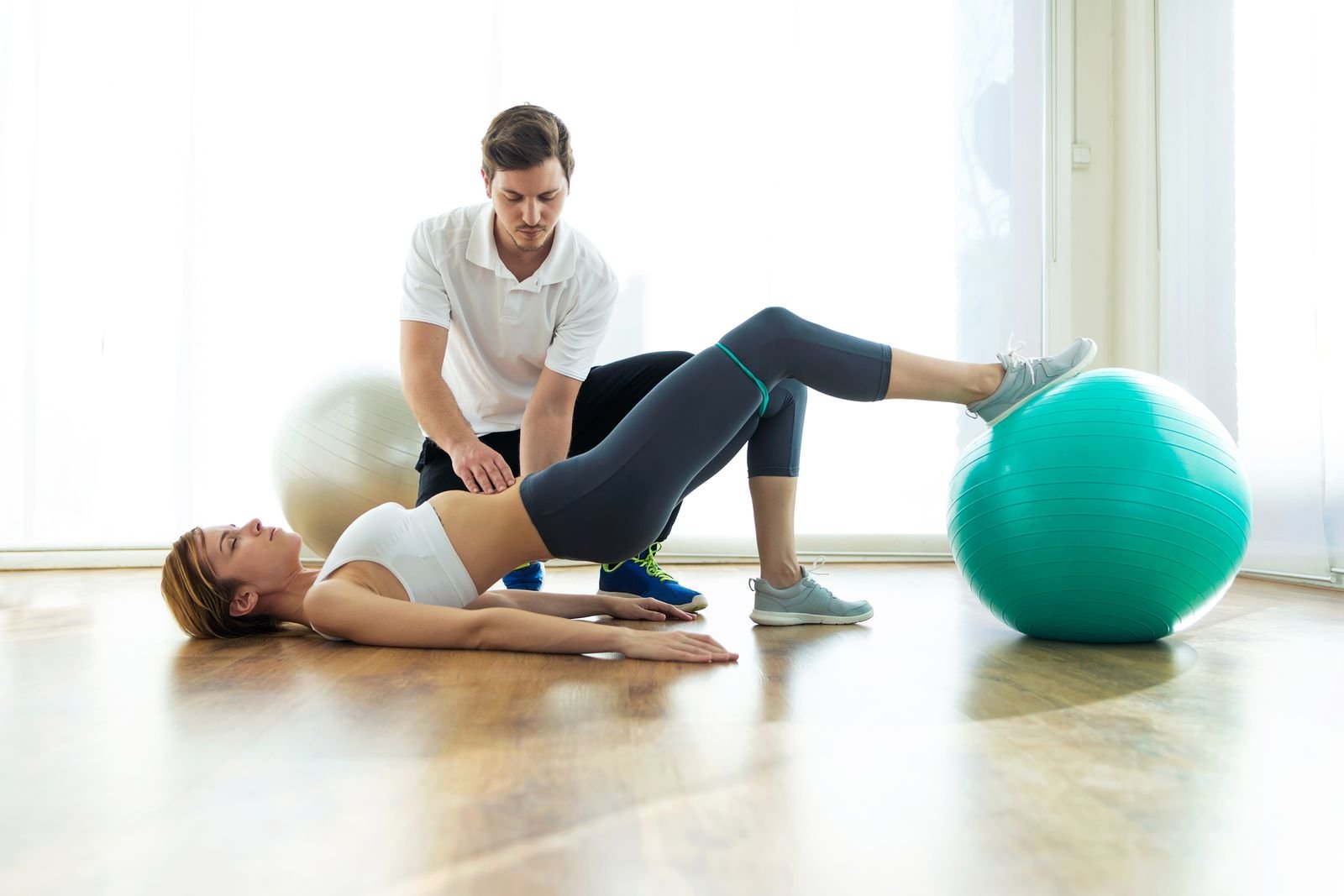
Your plan is built around your assessment. Depending on what we find, treatment may draw on a combination of these.
Progressive training to improve the muscular support beneath the pelvic organs.
Learning to lift, cough and exercise without driving pressure down through the pelvic floor.
Positioning and routines that eliminate straining, a major contributor to progression.
Adapting your training so you can stay active without worsening symptoms.
Explaining how support pessaries work and coordinating with your physician if that suits you.
Structured recovery in the months after birth, when the tissue is most responsive.

Private, consent-led care for bladder, pelvic and postnatal concerns.
Learn more
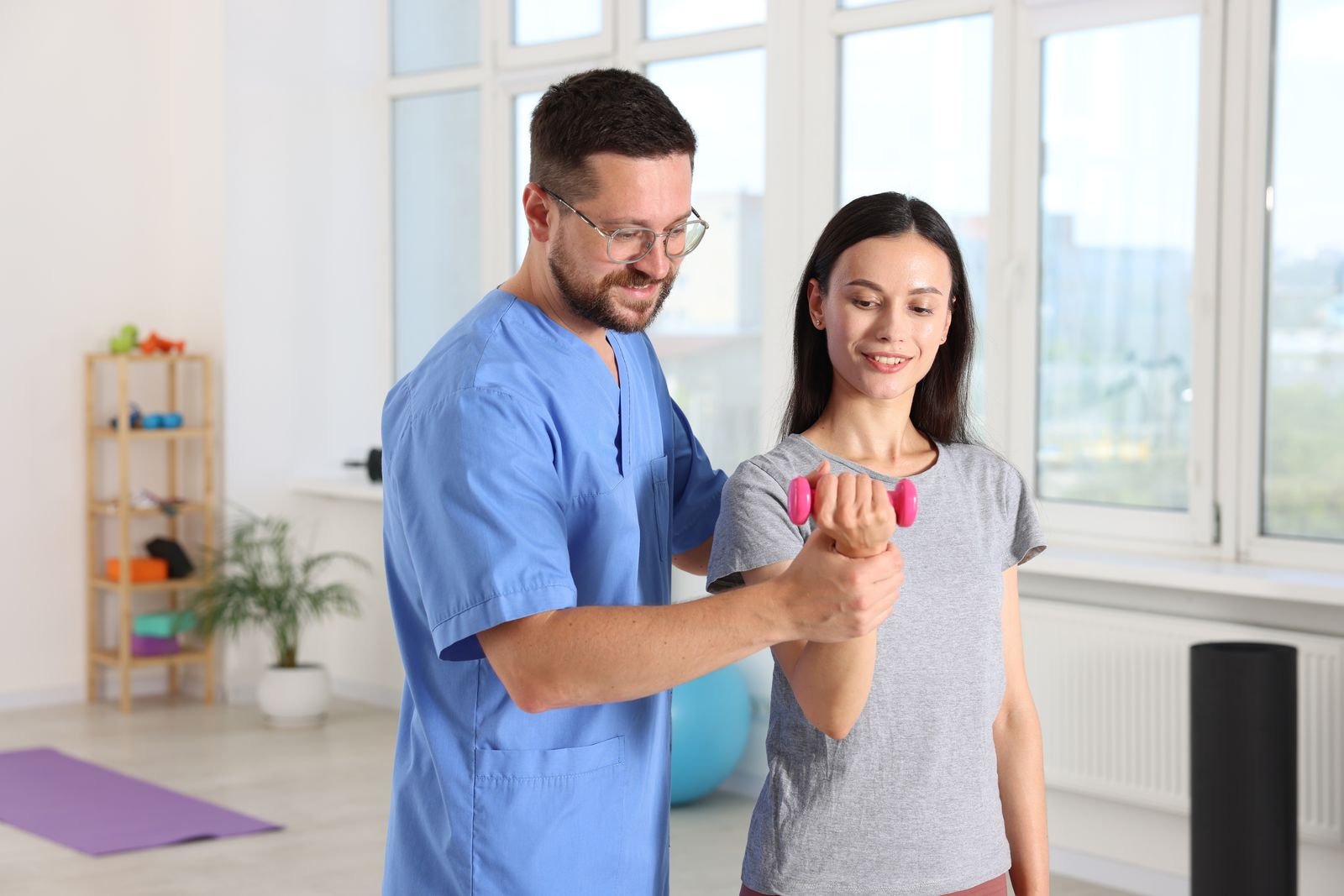
Supervised exercise programs that rebuild strength and confidence.
Learn more
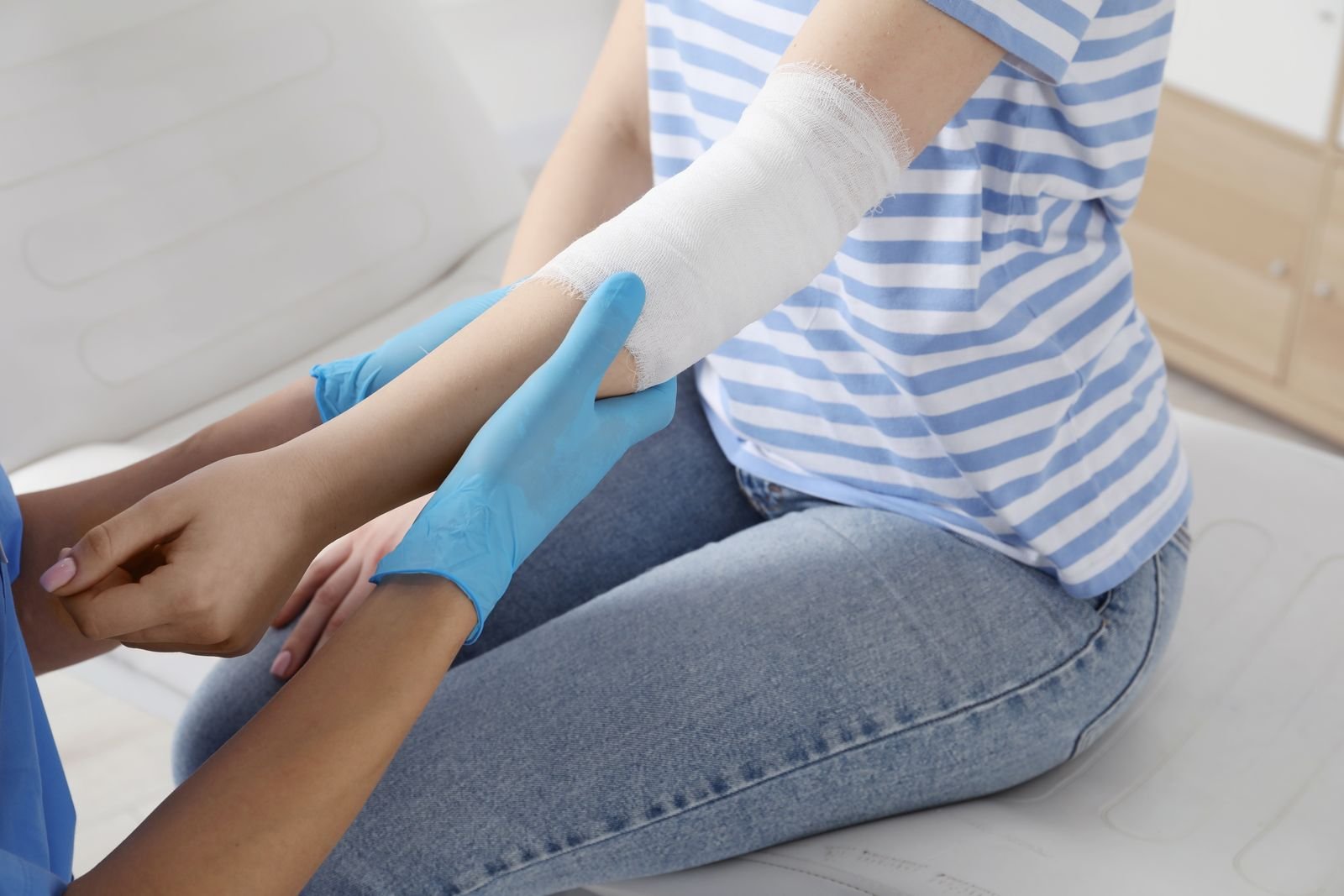
Hands-on assessment and treatment to identify contributing factors of your pain.
Learn moreThese conversations are routine for us and they are the first step to something very treatable. Book privately online or call and speak to our team.
Our friendly team is happy to help. Reach us during clinic hours. We are open 8:00am to 8:00pm on Tuesday and Thursday, and 9:00am to 6:00pm on Monday, Wednesday, Friday, Saturday and Sunday.
Book an appointmentNo. Conservative treatment is recommended first and many people manage symptoms well without surgery. Where surgery is needed, pelvic floor training beforehand improves outcomes.
The grading may not change but symptoms frequently improve a great deal with better muscular support and pressure management and symptoms are what affect your daily life.
In most cases yes, with technique and load adjustments. Stopping activity altogether is rarely the right answer.
Not at all. The pelvic floor responds to training at any age, including well after menopause.