
Shoulder pain is one of the most common reasons people see a physiotherapist. Whether it is a rotator cuff problem, impingement or a frozen shoulder, most cases respond well to accurate assessment and a structured exercise program.
The shoulder trades stability for mobility, so it relies on the rotator cuff muscles to keep the joint centred. When those tissues are irritated, overloaded or deconditioned, reaching, lifting and lying on that side start to hurt. Most shoulder pain comes from these soft tissues rather than serious joint damage.
The right plan depends on the diagnosis. Rotator cuff pain and impingement usually settle with graded strengthening, while frozen shoulder follows its own slower course measured in months. An assessment sorts out which problem you have, so treatment targets the actual cause instead of just the sore spot.
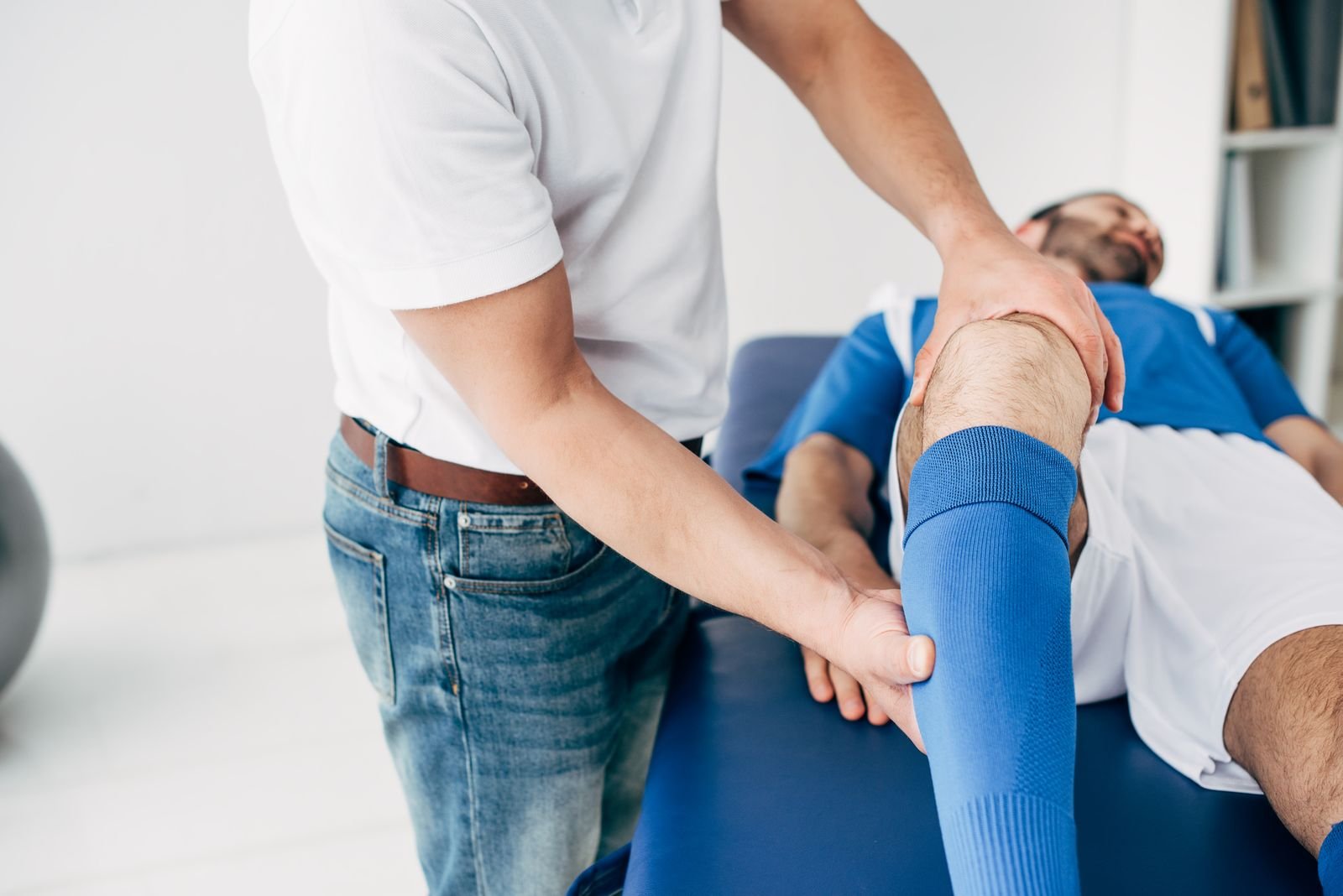
Physiotherapy for shoulder pain is covered under most extended health plans, usually with no doctor referral needed. If your shoulder was injured in a car accident, ICBC pre-approves up to 25 physiotherapy visits, and WorkSafeBC claims apply for work-related injuries. We bill direct where possible.

Shoulder problems show up differently depending on the structure involved. These are the patterns we assess and treat most often at the clinic.
A painful arc when lifting the arm out or up
Aching that wakes you when you roll onto that side
The arm feels tired or gives way with load
Losing rotation, common in frozen shoulder stages
Rotator cuff pain often refers down the outer arm
Instability after dislocation or repeated strain
A small number of shoulder presentations need immediate medical attention rather than physiotherapy. See a doctor or emergency department first if you notice any of the following.
Most shoulder pain traces back to a handful of well-understood problems, and each one calls for a slightly different plan.
The rotator cuff tendons can become irritated when demand outpaces their capacity, often after a spike in overhead activity, lifting or repetitive work. Pain sits at the outer shoulder and upper arm, and the tendon usually recovers well with graded strengthening rather than rest.
Most commonSensitive tissues in the subacromial space become pinched during overhead movement, producing a painful arc as the arm lifts. Posture, cuff weakness and shoulder blade control all contribute, and all three respond to targeted exercise and hands-on treatment.
The joint capsule becomes inflamed and tight, moving through freezing, frozen and thawing stages. Pain comes first, then marked stiffness, especially in rotation. It is more common after 40 and with diabetes or thyroid conditions, and recovery is measured in months.
After a dislocation, or in naturally flexible shoulders, the joint can feel loose, clicky or apprehensive in certain positions. Strengthening the rotator cuff and shoulder blade muscles restores active control and reduces the risk of it happening again.
Irritated joints or nerves in the neck commonly send pain into the shoulder and upper arm, sometimes without much neck pain at all. An assessment screens the neck routinely, because treating the shoulder alone misses the source.
Gradual wear in the shoulder joint or the small AC joint on top can cause deep aching and stiffness, usually after 50. Exercise, activity modification and hands-on treatment ease symptoms and keep the shoulder working, even when changes show on imaging.
We test your shoulder's movement, strength and irritability, screen your neck, and check for red flags. This tells us whether you are dealing with a cuff problem, impingement, frozen shoulder or instability, because each follows a different plan.
You leave the first visit knowing what is going on, what the realistic timeline looks like and what to do about night pain and daily activities. Understanding the condition, especially frozen shoulder's stages, makes the whole process less frustrating.
Manual therapy, soft tissue work and adjunct treatments settle pain and improve movement so exercise becomes possible. We also cover sleeping positions and short-term activity changes that take pressure off the irritated tissue.
Graded rotator cuff and shoulder blade strengthening is the core of recovery. Load progresses steadily toward the reaching, lifting or sport demands you actually have, which builds capacity and lowers the chance of the pain returning.
Most rotator cuff and impingement pain improves meaningfully within 6 to 12 weeks of consistent, graded exercise. Frozen shoulder is honestly slower, typically 12 to 18 months from start to finish, though treatment helps manage pain and speed the return of useful movement.

Your plan is built around exercise, with hands-on and adjunct treatments added where they help.
Assessment, manual therapy and a progressive rotator cuff and shoulder blade strengthening program, the foundation of shoulder pain care.
Focused acoustic waves that can help stubborn rotator cuff tendinopathy, particularly the calcific type, when exercise alone has stalled.
Fine needles release tight, overactive muscles around the shoulder and shoulder blade that limit movement and add to pain.
Registered massage therapy eases muscle tension through the shoulder, chest and upper back that builds up when you guard a sore arm.
A gentle option for pain relief that can make sleep and exercise more comfortable, often used alongside your physiotherapy program.
Supervised active rehab that bridges the gap between early physiotherapy and full return to work, gym or sport demands.

Assessment, hands-on treatment and graded strengthening for rotator cuff pain, impingement, frozen shoulder and instability.
Learn more
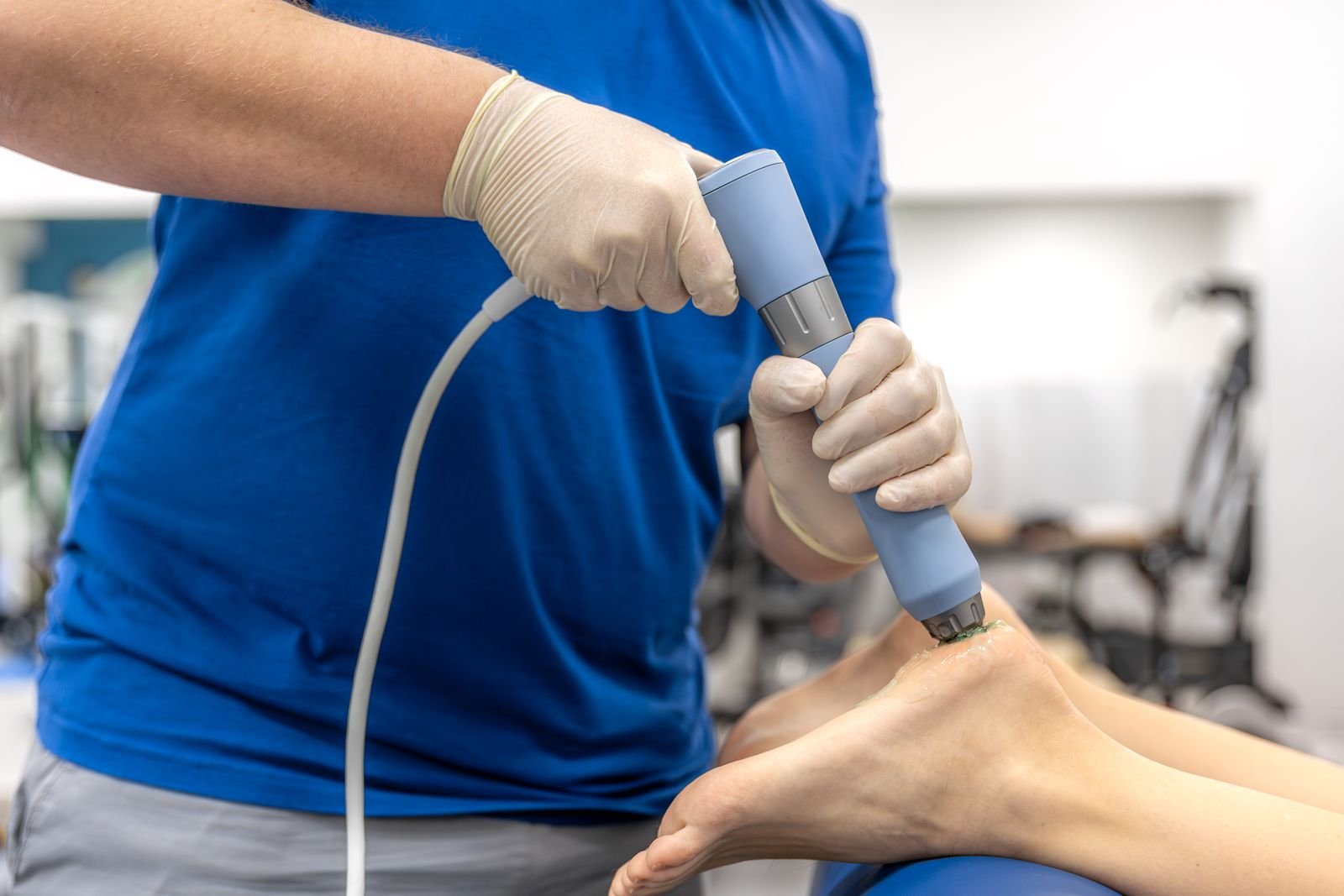
An evidence-informed option for persistent rotator cuff and calcific tendinopathy that has not settled with exercise alone.
Learn more

Registered massage therapy to ease the muscle tension and guarding that build up around a painful shoulder.
Learn moreOur friendly team is happy to help. Reach us during clinic hours. We are open 8:00am to 8:00pm on Tuesday and Thursday, and 9:00am to 6:00pm on Monday, Wednesday, Friday, Saturday and Sunday.
Book an appointmentUsually not. Most shoulder pain can be assessed and treated based on a clinical examination, and imaging findings like partial cuff changes are common even in pain-free shoulders. If your history or our assessment suggests imaging would change the plan, we will say so and coordinate with your doctor.
Lying on the shoulder compresses the irritated tendons and bursa, and there are fewer distractions from pain at night. It is a hallmark of rotator cuff problems and frozen shoulder. Adjusting your sleeping position and settling the irritation with treatment usually improves nights within a few weeks.
The key sign is progressive stiffness, especially losing outward rotation, that is present even when someone else moves your arm for you. It typically starts with pain, then stiffness dominates. It is more common between 40 and 65 and with diabetes. An assessment can usually distinguish it from rotator cuff pain.
Many people with rotator cuff tears, especially degenerative ones, do well without surgery. Research shows structured exercise programs give most people good pain relief and function. If symptoms are not progressing as expected, or the tear followed significant trauma, we will discuss a surgical opinion with your doctor.
Complete rest tends to make shoulders stiffer and weaker. The better approach is relative rest: temporarily reduce the movements that flare it up, keep the shoulder moving comfortably, and build strength gradually. We will show you which activities to modify and which to continue.
Open 8:00am to 8:00pm on Tuesday and Thursday, and 9:00am to 6:00pm on Monday, Wednesday, Friday, Saturday and Sunday in Abbotsford, with direct billing to ICBC, WorkSafeBC and most extended health plans. No doctor referral needed for most plans.