
Elbow tendon pain is common in people who grip, lift and type for a living. It responds well to a structured loading program, although tendons take time to change and we will be honest with you about that.
Tennis elbow is pain on the outer side of the elbow where the forearm extensor tendons attach, and golfer's elbow is the same problem on the inner side. Both are tendinopathies, an overload injury of the tendon itself rather than arthritis or joint damage, and most people who develop them play neither sport.
Gripping, typing, lifting and repetitive hand work are the usual triggers. Pain starts when the load on the tendon outpaces its capacity to adapt, so treatment focuses on rebuilding that capacity through progressive strengthening. Tendons respond well, but they change slowly, and recovery is measured in months rather than weeks.
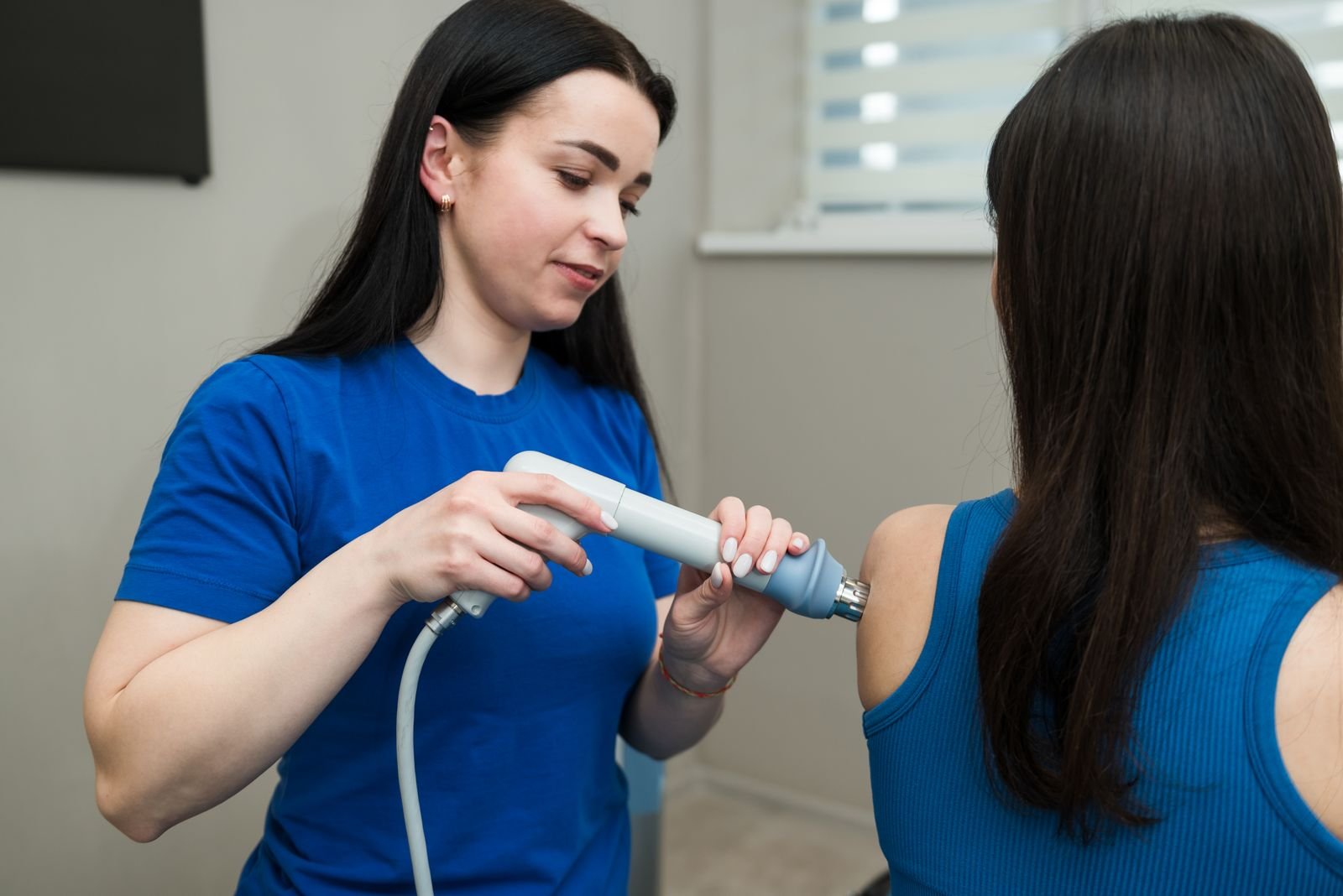
Elbow tendinopathy care is billed as physiotherapy and covered by most extended health plans, with direct billing available and no doctor referral needed for most plans. Where the injury relates to a workplace duty or a vehicle collision, WorkSafeBC or ICBC coverage may apply once a claim is open.
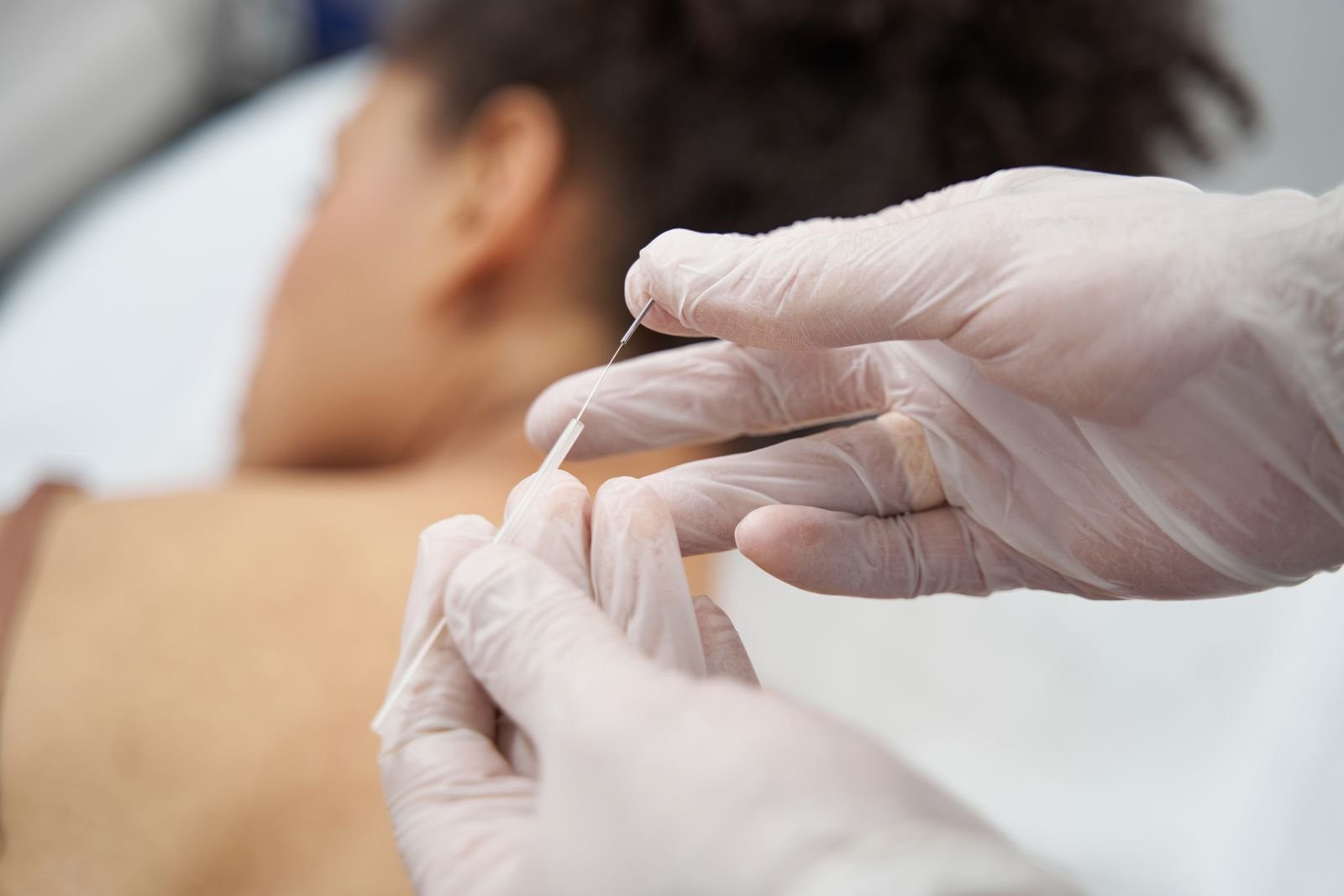
Elbow tendinopathy usually builds gradually and is closely tied to hand use. Most people recognize a familiar pattern of local tenderness, a weaker grip and pain that follows activity.
Tender over the bony point where the forearm tendons attach
Golfer's elbow causes the same pain on the inner side
Shaking hands, lifting a kettle or turning a doorknob hurts
Objects feel heavier and grip strength fades with use
The elbow feels stiff and sore first thing in the morning
Pain often flares hours after typing, lifting or racquet sports
A small number of elbow presentations need prompt medical attention rather than physiotherapy first. See a doctor or urgent care the same day if you notice any of the following.
Elbow tendinopathy is an overload problem. The tendon has been asked to do more than it can currently tolerate.
The classic driver is repeated gripping and wrist work, hours of typing and mouse use, hand tools, assembly work or racquet sports. The tendon is loaded thousands of times a day and gradually falls behind on its own repair.
Most commonTendons dislike sudden changes. A weekend of renovations, a new gym program or a return to sport after a layoff can ask more of the tendon than it is conditioned to handle, and symptoms often appear days later.
Trades, warehousing, farm work and caregiving all involve sustained carrying and awkward grips. Golfer's elbow in particular shows up in people who lift with the palm up or grip heavy loads through the day.
Tendinopathy is most common between 35 and 55. Tendon tissue loses some resilience with age, so a workload that felt easy at 25 can be enough to irritate the same tendon at 45.
When the shoulder and upper back are not pulling their weight, the smaller forearm muscles compensate and overload. Building strength through the whole arm, not just the elbow, is often part of lasting recovery.
Pain referred from the neck can mimic or amplify elbow symptoms. Part of every assessment is screening the neck and the nerves that run to the hand, so treatment targets the true source.
We test your grip, wrist and elbow under load, screen your neck and nerves, and confirm whether this is a tendinopathy or something that only looks like one.
You will understand what tendinopathy is, why rest alone rarely fixes it, and what a realistic timeline looks like, so the slower weeks do not feel like failure.
Manual therapy, dry needling and shockwave therapy can help settle pain and improve the tendon's tolerance, so the strengthening work can actually begin.
The core of treatment is a graded strengthening program that rebuilds the tendon's capacity, progressed week by week and aimed at the gripping and lifting your life requires.
Longer than most people expect, and we would rather say so upfront. Recent, mild cases can settle within weeks, but established tennis or golfer's elbow typically takes three to six months of consistent loading work to resolve properly.
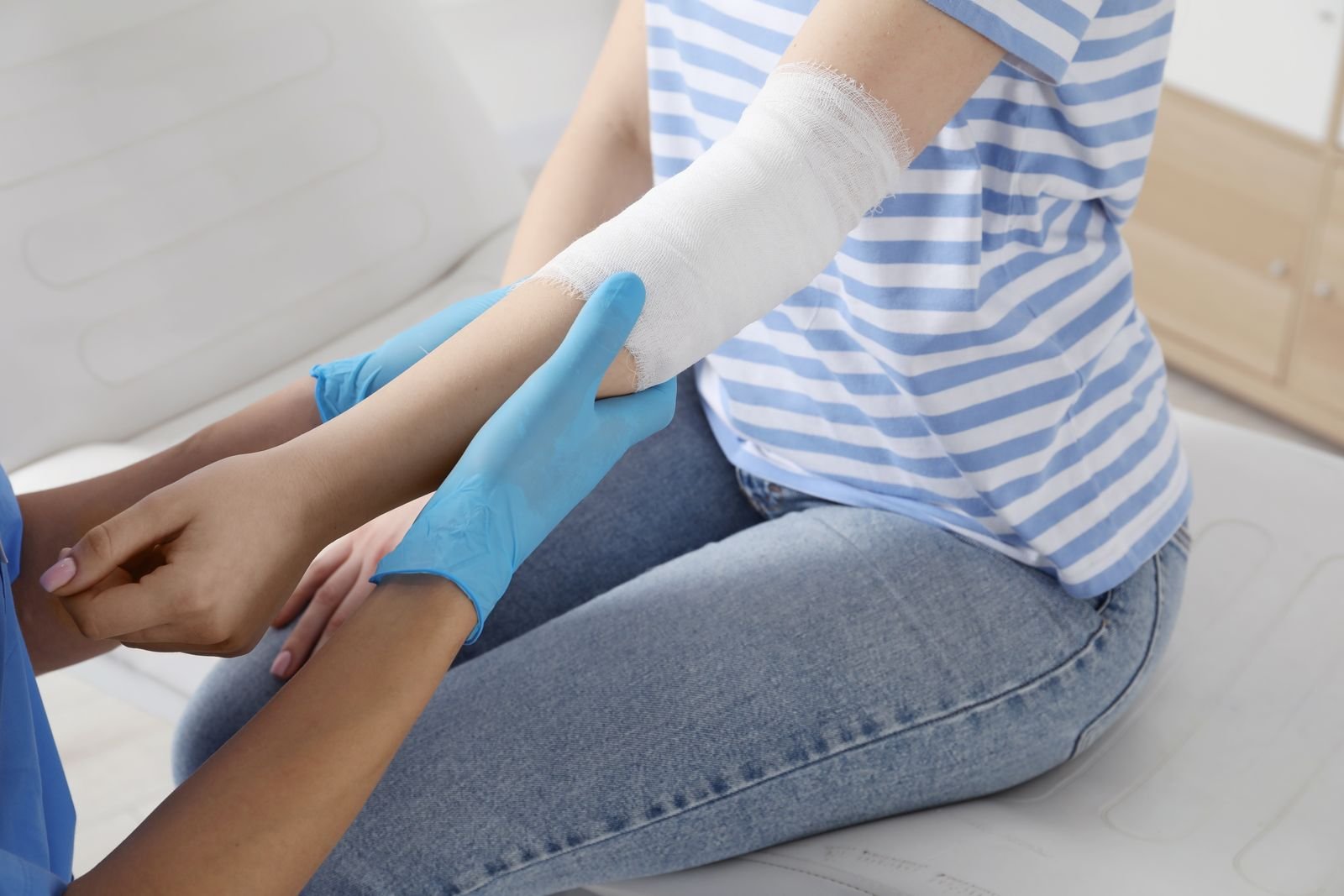
Care is built around progressive tendon loading, with hands-on and technology-assisted options to manage pain along the way.
Assessment, education and a progressive tendon-loading program, which carries the strongest evidence for lateral and medial elbow tendinopathy.
Focused acoustic waves applied to the tendon to stimulate healing, an evidence-informed option when elbow pain has persisted for months.
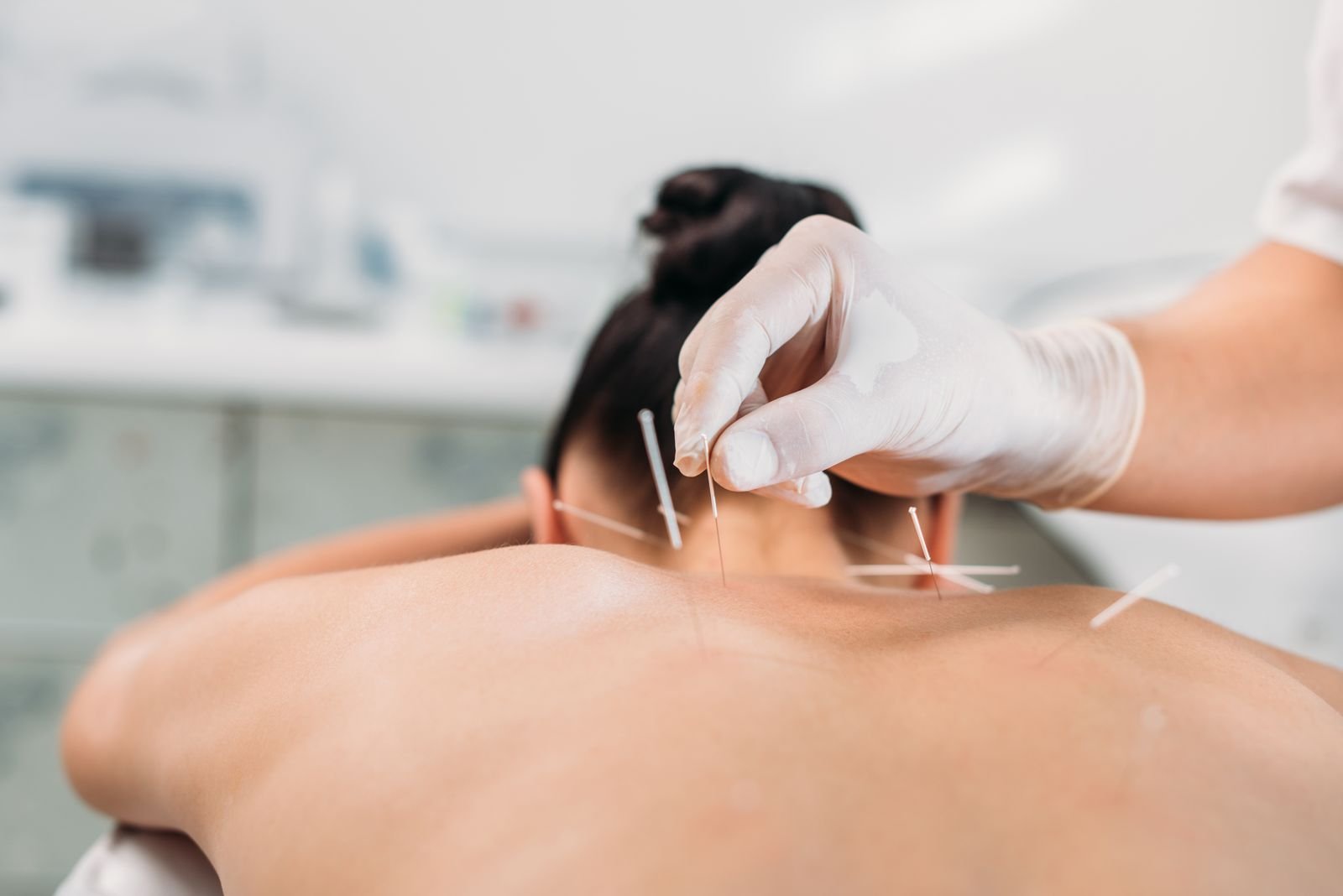
Fine needles release tight forearm muscles that keep pulling on the irritated tendon, often making day-to-day tasks more comfortable.
Registered massage therapy eases forearm and upper-arm muscle tension, improving comfort while the strengthening program does the longer-term work.
Low-intensity laser used in the early, irritable stage to help settle pain so loading exercises can begin sooner.
Supervised strength sessions that progress your loading program safely and rebuild confidence in gripping, lifting and returning to sport.

Assessment and progressive loading, the foundation of elbow tendinopathy care.
Learn more
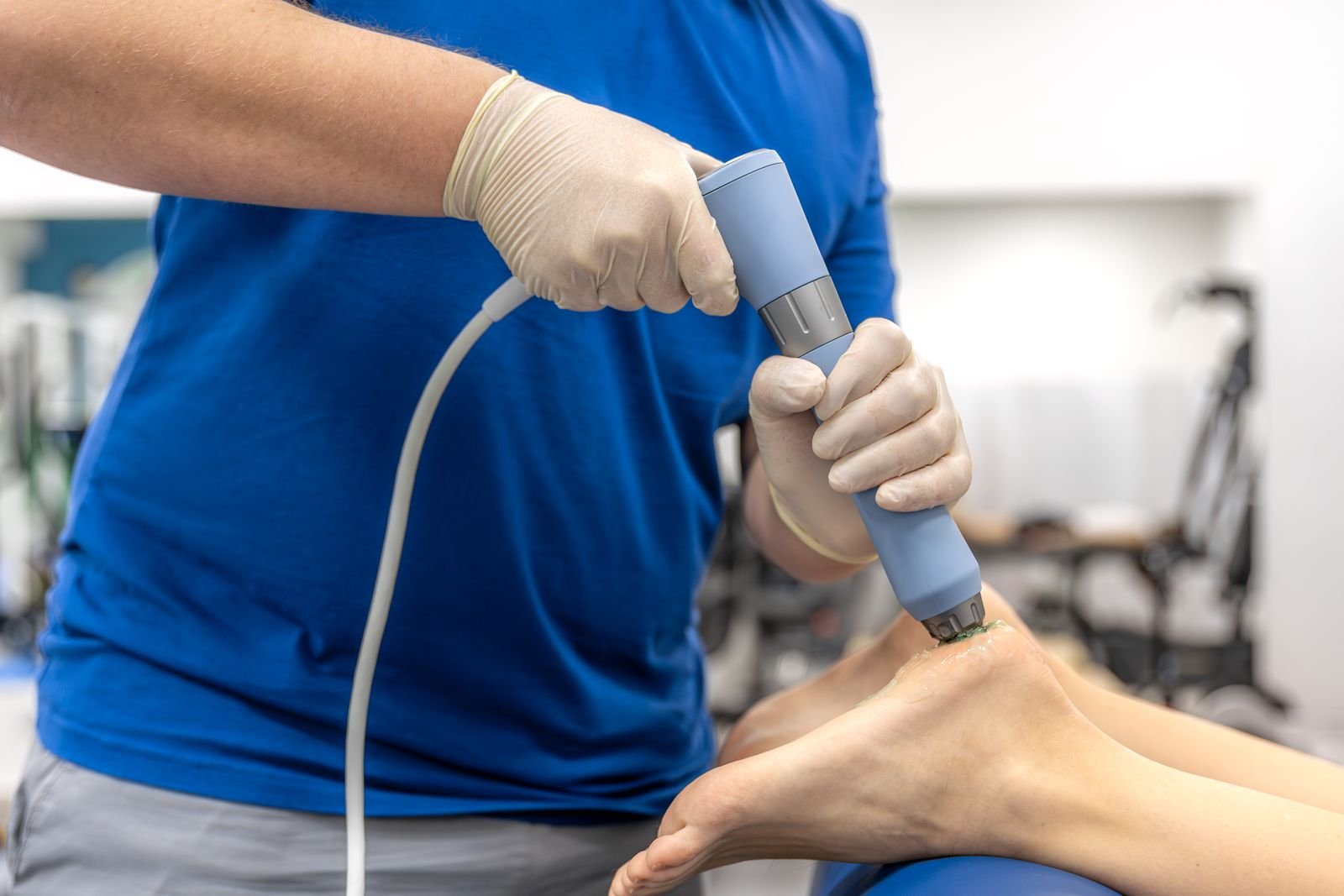
An evidence-informed option for tendon pain that has persisted for months.
Learn more
Our friendly team is happy to help. Reach us during clinic hours. We are open 8:00am to 8:00pm on Tuesday and Thursday, and 9:00am to 6:00pm on Monday, Wednesday, Friday, Saturday and Sunday.
Book an appointmentNo. Complete rest usually leaves the tendon weaker and the problem longer-lasting. The goal is to trim the loads that flare it, keep the loads it tolerates, and rebuild from there. Your physiotherapist will help you find that line.
Tennis elbow is tendon pain on the outer side of the elbow, and golfer's elbow is the same condition on the inner side. Both come from overloaded forearm tendons, and most people who get them play neither sport.
Research suggests shockwave therapy can reduce pain in persistent elbow tendinopathy, particularly alongside a loading program. It is not a standalone fix, and we will tell you honestly whether your elbow is likely to be a good candidate.
A counterforce brace can take some load off the tendon and make work more comfortable in the short term. It is a useful tool for symptom relief rather than a treatment on its own, so we pair it with strengthening.
Tendon tissue renews slowly, much more slowly than muscle. Symptoms often ease before the tendon has rebuilt its full capacity, which is why pain tends to return when exercises stop early. Seeing the program through the full timeline matters.
New Ray Physiotherapy and Health Clinic is open 8:00am to 8:00pm on Tuesday and Thursday, and 9:00am to 6:00pm on Monday, Wednesday, Friday, Saturday and Sunday, with direct billing to most plans. No doctor referral is needed for most extended benefits.