
New Ray Physiotherapy and Health Clinic
Unit 310, 32700 South Fraser Way, Abbotsford BC · 604-744-0555

Plantar fasciitis and heel pain treatment in Abbotsford

Heel pain that stabs with your first steps of the morning is usually plantar fasciitis. Most cases settle well with the right loading plan, footwear changes and hands-on treatment.

About plantar fasciitis

The most common cause of heel pain

Plantar fasciitis is irritation of the plantar fascia, the thick band of tissue that runs from your heel to the base of your toes. It is the most common cause of heel pain in adults, and the classic sign is sharp, stabbing pain under the heel with your first steps of the morning.

It develops when the fascia is asked to handle more load than it is currently conditioned for, and it responds well to a plan that manages that load. Most people improve with calf and foot strengthening, footwear changes and hands-on treatment, without needing injections or surgery.
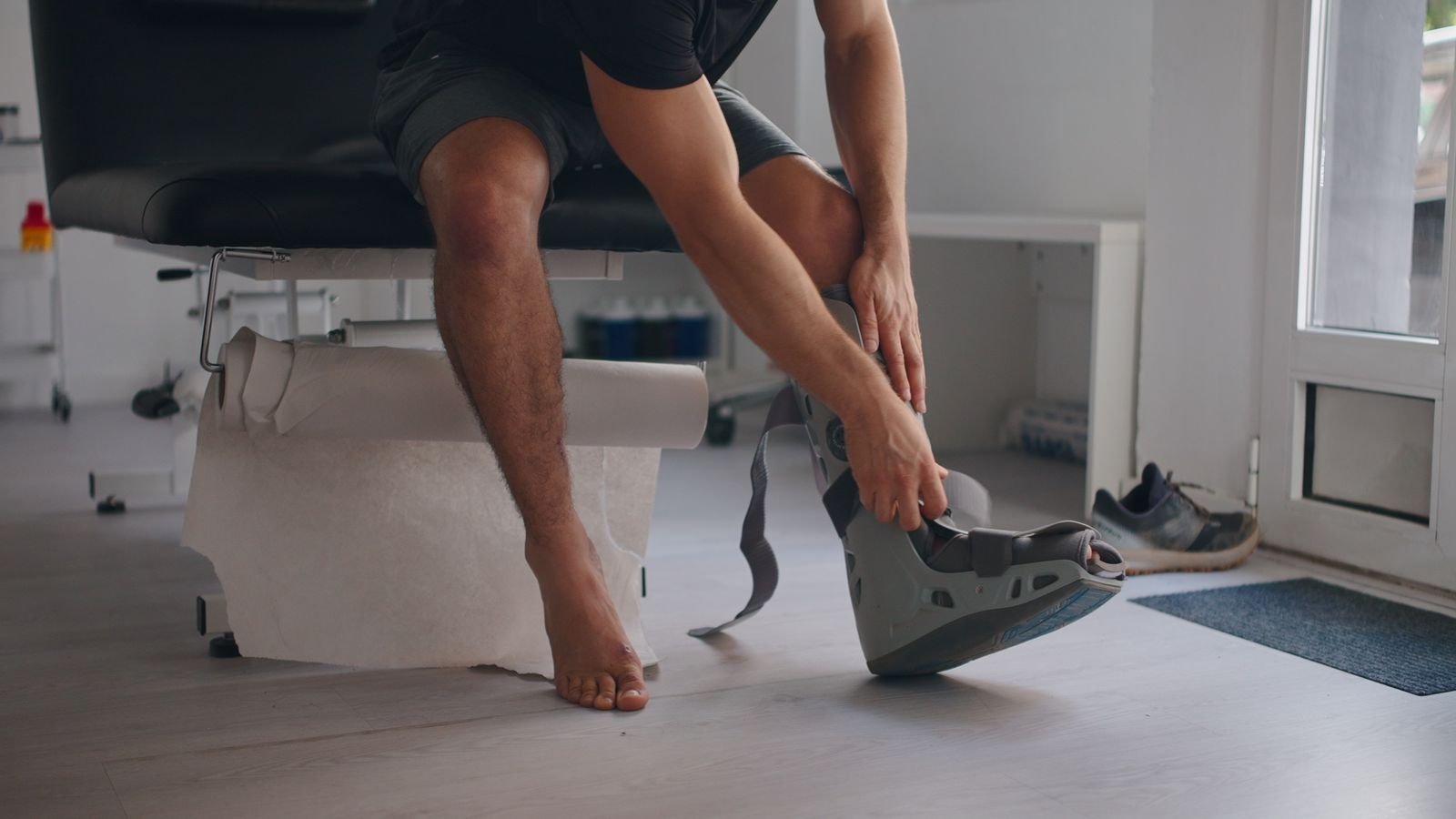
Physiotherapist assessing a patient's heel and arch at New Ray Physiotherapy and Health Clinic in Abbotsford
A thorough foot, ankle and calf assessment guides every heel pain plan.
Good to know, fees & coverage

Physiotherapy for plantar fasciitis is covered under most extended health plans, and we bill your insurer directly wherever your plan allows it. If your heel pain follows a car accident or workplace injury, ICBC or WorkSafeBC coverage may apply instead. No doctor referral is needed for most plans.
Symptoms

What plantar fasciitis feels like

Plantar fasciitis has a recognizable pattern. Pain usually sits under or just in front of the heel, and it tends to flare after rest rather than during activity itself.

Sharp first-step pain

Stabbing heel pain with your first steps of the morning

Pain after sitting

Heel pain returns when you stand after a long rest

Tender under the heel

A sore spot where the arch meets the heel bone

Eases as you move

Pain often warms up, then returns after long days

Worse barefoot on hard floors

Thin soles and hard surfaces make the heel ache more

Tight calves and arch

The calf and sole of the foot feel stiff and tight

When to seek urgent medical care instead

A small number of heel and foot presentations need medical assessment rather than physiotherapy first. See a doctor or urgent care promptly if you notice any of the following.

  • Heel pain after a fall, twist or direct blow, especially if you cannot bear weight
  • Numbness, tingling or burning in the foot or toes
  • A hot, red or swollen area around the heel or ankle
  • Night pain that does not ease with rest or a change of position
Causes

What tends to cause plantar fasciitis

Plantar fasciitis is rarely caused by one thing. It usually builds when several of these factors stack up together.

01

A sudden increase in load

The fascia tolerates the load it is trained for. A new running program, a walking holiday, a job with more hours on your feet or a return to sport after a break can all exceed that capacity and irritate the tissue.

Most common
02

Calf tightness and weakness

The calf and the plantar fascia work as one system. When the calf is tight or weak, the fascia absorbs more strain with every step, which is why calf strengthening is central to recovery.

03

Unsupportive footwear

Worn-out runners, flat unsupportive shoes and long hours barefoot on hard floors all increase strain under the heel. A footwear change alone often takes a meaningful amount of pressure off the fascia.

04

Foot mechanics

Both flatter feet and high, rigid arches change how load spreads through the sole of the foot. Neither guarantees heel pain, but each can concentrate stress where the fascia attaches at the heel.

05

Prolonged standing at work

Jobs that keep you on your feet on concrete or tile, common in trades, retail, warehousing and healthcare, load the fascia for hours at a time and give it little chance to recover between shifts.

06

Age and overall load tolerance

Plantar fasciitis is most common between 40 and 60, and weight changes or a drop in general activity can lower the fascia's tolerance further. Rebuilding that tolerance gradually is the heart of treatment.

Shockwave therapy being applied to a patient's heel at New Ray Physiotherapy and Health Clinic in Abbotsford
6–12 weeksTypical time to feel clear improvement
How we treat it

Your treatment, step by step

1

Assessment

We examine your heel, arch, calf and ankle mobility, review your footwear and activity, and rule out other causes of heel pain such as nerve irritation or fat pad problems.

2

Explanation

You leave the first visit knowing what plantar fasciitis is, why yours started and what the plan involves. Understanding the condition makes the daily program much easier to stick with.

3

Hands-on treatment

Manual therapy, soft tissue work through the calf and foot, and taping can settle symptoms and make walking more comfortable while the strengthening program takes effect.

4

Loading and prevention

A graded calf and foot strengthening program rebuilds the fascia's capacity, alongside footwear advice, activity planning and, where useful, custom orthotics or shockwave for stubborn cases.

How long does recovery take?

Most people notice their morning pain easing within 6 to 12 weeks of starting a proper loading program, though full recovery often takes several months. Longstanding cases can be slower, which is where options like shockwave therapy and orthotics earn their place.
Our approach

Treatments we may use for plantar fasciitis

Your plan is built around graded loading, with hands-on and technology-based options added where they help. It may include:

01

Physiotherapy

A graded calf and plantar fascia loading program, the approach with the strongest evidence for lasting recovery from plantar fasciitis.

02

Shockwave therapy

Focused acoustic waves that stimulate healing in stubborn plantar fasciitis, usually delivered over three to five short weekly sessions.

03

Custom orthotics

Custom-made inserts that spread load away from the irritated fascia, useful when foot mechanics or long standing hours contribute.

04

Massage therapy

Registered massage therapy for tight calves and the sole of the foot, easing the muscle tension that feeds heel strain.

05

IMS and dry needling

Fine needles that release tight trigger points in the calf and foot muscles keeping tension on the fascia.

06

Laser therapy

Low-intensity laser applied to the heel to help settle pain and support tissue healing alongside your exercise program.

Related services

Services that treat plantar fasciitis & heel pain

Physiotherapy at New Ray Physiotherapy and Health Clinic in Abbotsford

Physiotherapy

Assessment, hands-on treatment and the graded loading program at the core of heel pain recovery.

Learn more
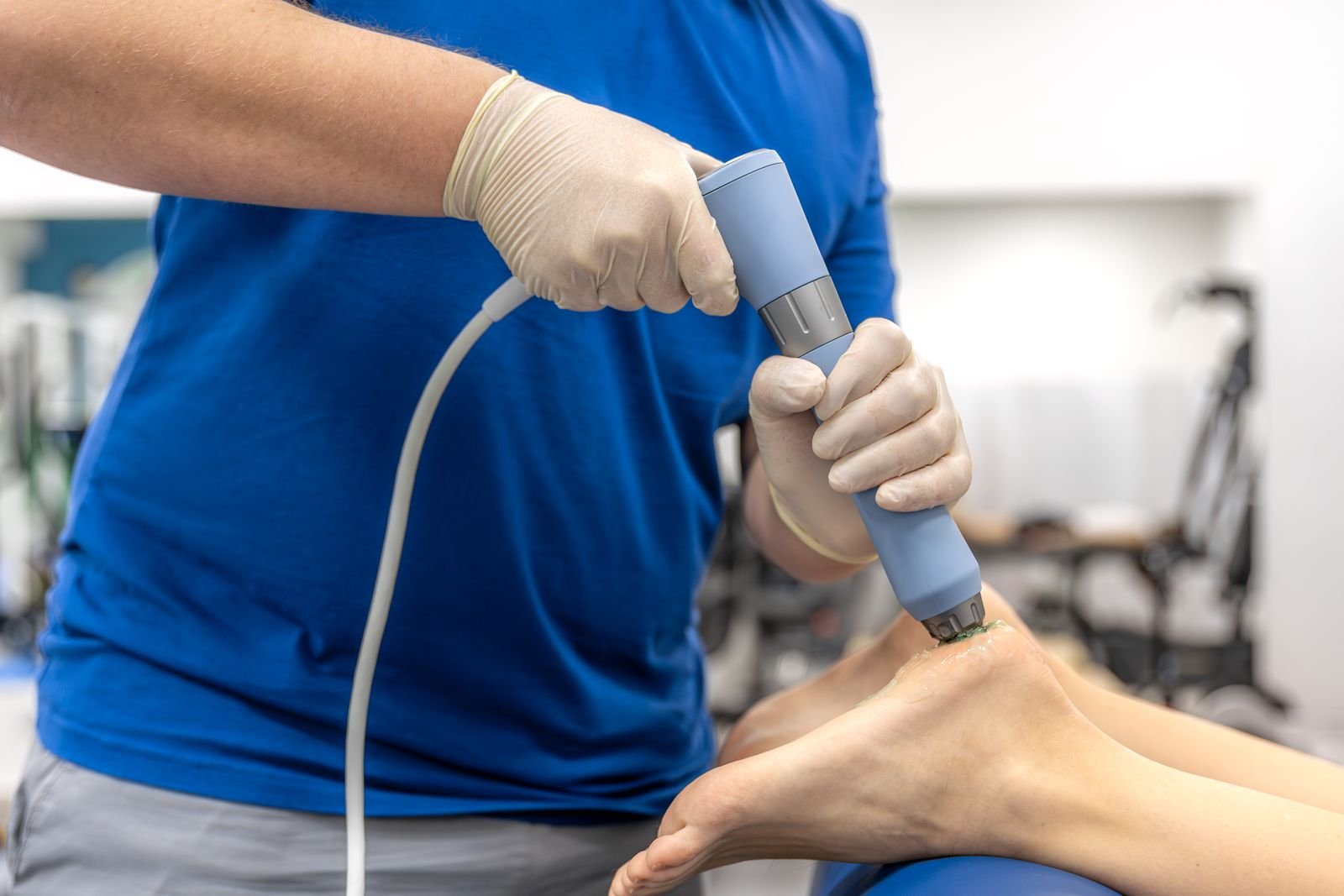
Shockwave Therapy at New Ray Physiotherapy and Health Clinic in Abbotsford

Shockwave Therapy

An evidence-based option for stubborn plantar fasciitis that has not settled with exercise alone.

Learn more
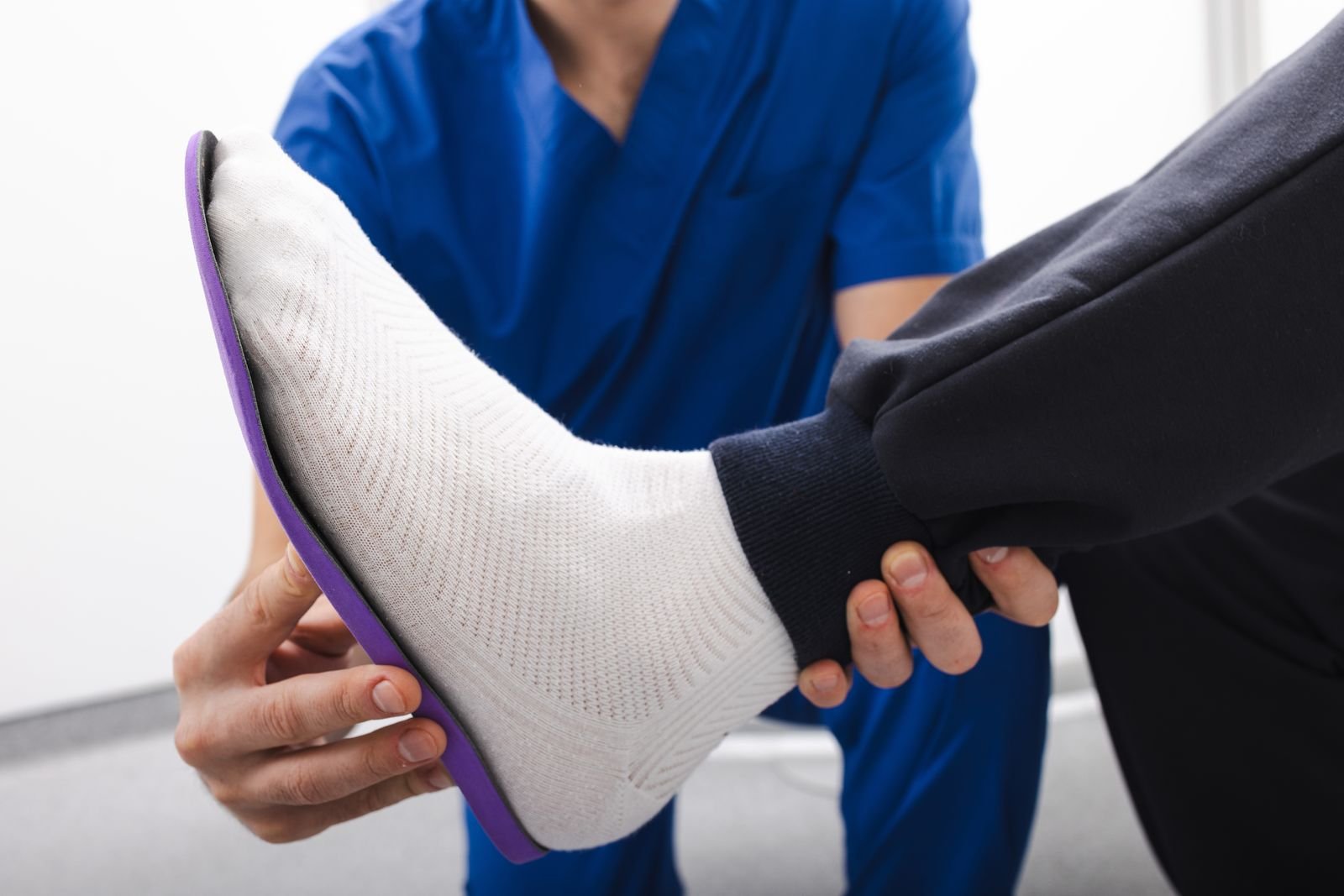
Custom Orthotics at New Ray Physiotherapy and Health Clinic in Abbotsford

Custom Orthotics

Custom inserts that redistribute pressure under the heel and support your arch through the day.

Learn more

Still have a question?

Our friendly team is happy to help. Reach us during clinic hours. We are open 8:00am to 8:00pm on Tuesday and Thursday, and 9:00am to 6:00pm on Monday, Wednesday, Friday, Saturday and Sunday.

Book an appointment
Do I need an X-ray or ultrasound for heel pain?

Usually not. Plantar fasciitis is diagnosed from your history and a physical examination. Imaging is reserved for heel pain that does not behave typically or does not respond to treatment, and findings like heel spurs rarely change the plan.

Is a heel spur causing my pain?

Probably not. Heel spurs show up on X-rays of many people who have no pain at all, and many people with plantar fasciitis have no spur. The irritated fascia, not the spur, is almost always the true source of the pain.

Should I stop walking or running?

Complete rest usually does not fix plantar fasciitis, and it costs you fitness. We typically adjust how much and how often you load the foot rather than stopping altogether, then build your activity back up as the heel settles.

Does shockwave therapy hurt, and how many sessions are needed?

Shockwave is briefly uncomfortable rather than painful, and each session takes only a few minutes. Most courses run three to five weekly sessions, and it works alongside your exercise program rather than replacing it.

Do I need a doctor's referral to be seen?

No referral is needed to book physiotherapy, and most extended health plans do not require one. If your heel pain relates to an ICBC claim, up to 25 physiotherapy visits are pre-approved, and we can help you navigate WorkSafeBC coverage too.

Ready when you are

Book a heel pain assessment

Open 8:00am to 8:00pm on Tuesday and Thursday, and 9:00am to 6:00pm on Monday, Wednesday, Friday, Saturday and Sunday, with direct billing to most insurers. Book online or call the clinic and we will find a time that works for you.