New Ray Physiotherapy and Health Clinic
Unit 310, 32700 South Fraser Way, Abbotsford BC · 604-744-0555

Hip pain treatment in Abbotsford

Hip pain is common at every age and it usually responds well to conservative care. Most cases improve with an accurate assessment, hands-on treatment and a graded strengthening program.

About hip pain

Common, limiting and usually very treatable

Hip pain shows up in different places for different reasons. Pain on the outer hip usually points to the gluteal tendons, groin pain often involves the joint itself, and buttock pain can travel from the low back. Because the causes differ, an accurate assessment matters more here than almost anywhere else.

The reassuring news is that most hip pain responds well to conservative care. Strengthening is well supported by research for gluteal tendinopathy and hip osteoarthritis alike, and our physiotherapists combine it with hands-on treatment to settle pain while you rebuild. Very few people with hip pain ever need surgery.

Physiotherapist assessing a patient's hip range of motion at New Ray Physiotherapy and Health Clinic in Abbotsford
A hip assessment identifies whether pain comes from the tendons, the joint or the low back.
Good to know, fees & coverage

Physiotherapy for hip pain is covered by most extended health plans, and we bill them directly so you pay only what your plan does not. If your pain follows a car crash or workplace injury, ICBC or WorkSafeBC may apply; ICBC pre-approves up to 25 physiotherapy visits.
Symptoms

What hip pain feels like

Hip pain can sit on the outer hip, deep in the groin or through the buttock. Where you feel it, and what aggravates it, tells us a lot.

Pain on the outer hip

Aching over the bony point, worse lying on that side

Groin ache or stiffness

A deep ache with walking that can suggest joint involvement

Stiffness after rest

The hip loosens up after a few minutes of moving

Pain on stairs or hills

Climbing loads the gluteal tendons and the joint itself

Buttock or outer thigh ache

May come from the hip or refer from the back

Trouble with socks and shoes

Reduced rotation makes bending and crossing the leg harder

When to seek urgent medical care instead

A small number of hip presentations need immediate medical attention rather than physiotherapy. See a doctor or go to an emergency department first if you notice any of the following.

  • A fall in an older adult followed by inability to put weight through the leg
  • Night pain that does not ease, especially alongside unexplained weight loss
  • Fever or feeling generally unwell alongside new hip pain
  • Sudden severe groin pain without a clear injury
Causes

What tends to cause hip pain

Several distinct conditions produce hip pain, and each is treated differently. These are the ones we see most often.

01

Gluteal tendinopathy

The tendons of the gluteal muscles become irritated by compression and overload at the outer hip. It is especially common in women over 40, causing pain when lying on that side, climbing stairs and walking, and it responds well to load management and strengthening.

Most common
02

Hip osteoarthritis

Gradual change in the joint cartilage, usually after age 50. Pain is felt in the groin or deep in the hip, with morning stiffness and reduced rotation. Exercise therapy is a first-line treatment in international guidelines.

03

Groin strain

A strain of the adductor muscles on the inner thigh, common in soccer, hockey and running. Pain flares with sprinting, kicking and quick changes of direction, and it settles with rest from aggravating activity and progressive strengthening.

04

Bursitis

Irritation of the small fluid-filled sacs that cushion the outer hip, often occurring alongside gluteal tendinopathy. Direct pressure, prolonged standing and repetitive activity aggravate it, so treatment targets both the irritated tissue and the habits that load it.

05

Referred back pain

The low back and hip share nerve supply, so a spine problem can present as buttock or outer hip pain with little back pain at all. A careful assessment screens the spine so treatment targets the true source.

06

Hip impingement and labral irritation

In younger, active adults the shape of the joint can pinch structures at the front of the hip during deep bending, causing groin pain with squatting and pivoting sports. Many cases improve with movement retraining and strengthening.

Physiotherapist guiding a patient through a hip strengthening exercise at New Ray Physiotherapy and Health Clinic in Abbotsford
6–12 weeksTypical time to meaningful improvement
How we treat it

Your treatment, step by step

1

Assessment

We test strength, range and movement patterns, screen your low back and check for red flags, so treatment targets the actual source of your pain rather than a guess.

2

Explanation

You leave your first visit knowing what is driving the pain, which positions to modify for now, such as crossing your legs or lying on the sore side, and what recovery typically looks like.

3

Hands-on treatment

Manual therapy, soft tissue work and dry needling where appropriate help settle pain and restore hip motion, so strengthening can start sooner and feel more comfortable.

4

Loading and prevention

A graded strengthening program rebuilds the gluteal and hip muscles, restores walking tolerance and returns you to sport or activity, with habits that reduce the chance of it coming back.

How long does recovery take?

It depends on the diagnosis. Groin strains often settle within a few weeks. Gluteal tendinopathy typically needs 8 to 12 weeks of progressive loading. Hip osteoarthritis is managed rather than fixed, and most people improve meaningfully within 6 to 12 weeks of exercise therapy.
Our approach

Treatments we may use for hip pain

Your plan is built around your diagnosis and your goals. These are the services we most often draw on for hip pain.

01

Physiotherapy

Assessment, manual therapy and a progressive strengthening program form the foundation of care for gluteal tendinopathy, hip osteoarthritis and groin strains.

02

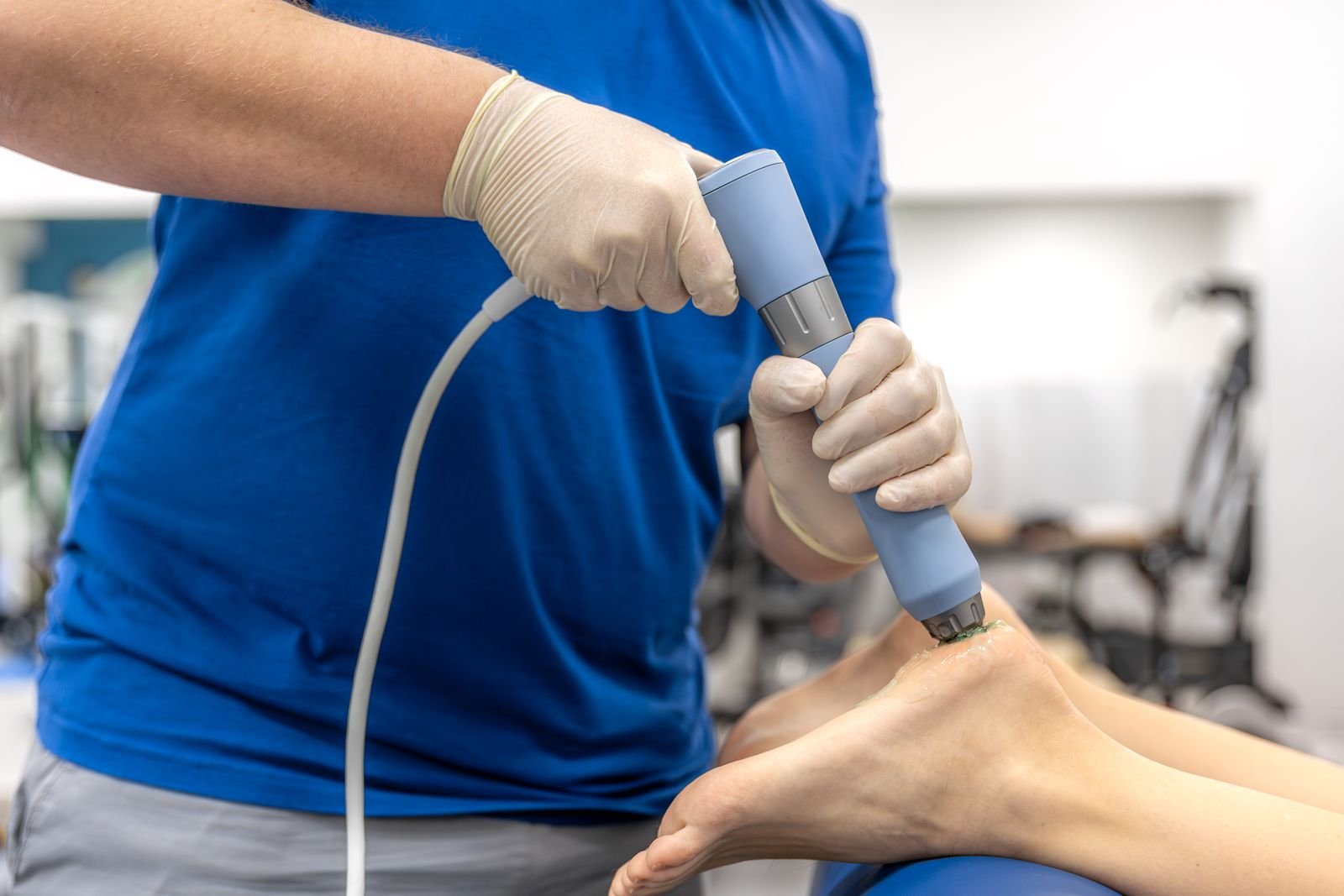
Shockwave therapy

Focused acoustic waves that can stimulate healing in stubborn gluteal tendinopathy that has not responded to load management alone.

03

IMS dry needling

Fine needles release tight trigger points through the glutes and hip flexors that restrict movement and add to outer hip pain.

04

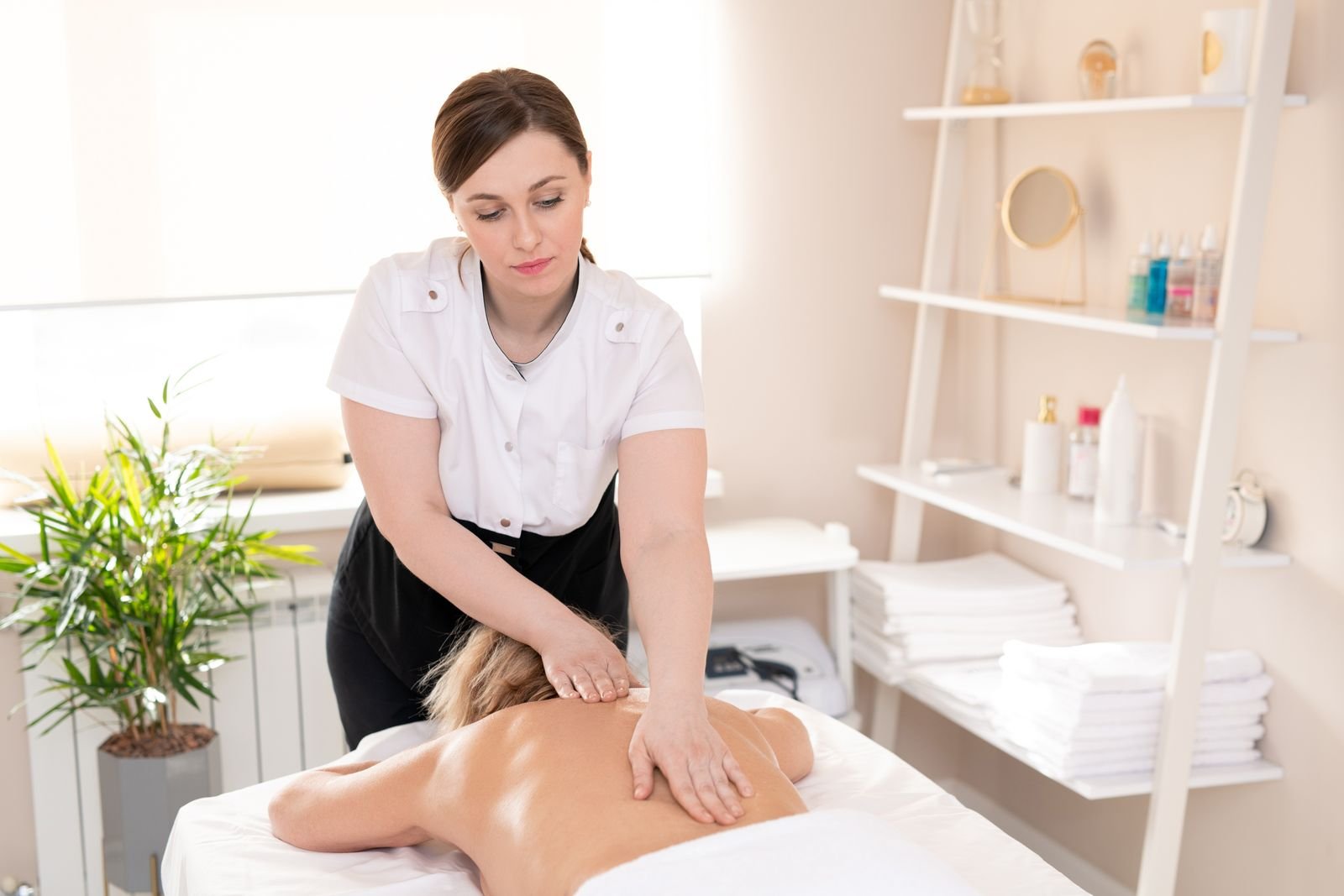
Massage therapy

Registered massage therapy eases muscle guarding through the glutes, hip flexors and low back so daily movement and exercise feel more comfortable.

05

Kinesiology

Supervised active rehabilitation that progresses your strengthening safely week to week, especially useful for ICBC claims and longer osteoarthritis programs.

06

Acupuncture

A drug-free complement some patients find helpful for easing hip and groin pain while their strengthening program takes effect.

Related services

Services that treat hip pain

Physiotherapy at New Ray Physiotherapy and Health Clinic in Abbotsford

Physiotherapy

Assessment and treatment for hip, groin and buttock pain

Learn more
Shockwave Therapy at New Ray Physiotherapy and Health Clinic in Abbotsford

Shockwave Therapy

An evidence-informed option for stubborn gluteal tendinopathy

Learn more
Kinesiology & Active Rehab at New Ray Physiotherapy and Health Clinic in Abbotsford

Kinesiology & Active Rehab

Active rehab programs that rebuild hip strength

Learn more

Still have a question?

Our friendly team is happy to help. Reach us during clinic hours. We are open 8:00am to 8:00pm on Tuesday and Thursday, and 9:00am to 6:00pm on Monday, Wednesday, Friday, Saturday and Sunday.

Book an appointment
How do I know if my pain is coming from my hip or my back?

You often cannot tell on your own, because the two regions share nerve supply and buttock pain is common to both. A physiotherapy assessment tests both areas with specific movements to identify the true source, which matters before choosing any treatment.

Do I need an X-ray before starting physiotherapy?

Usually not. Most hip conditions are diagnosed with a physical assessment, and imaging rarely changes early treatment. If your history or examination suggests something that needs a scan, such as pain after a fall, we will tell you and communicate with your doctor.

Why does my hip hurt when I lie on my side at night?

Side-lying compresses the gluteal tendons and bursa over the bony point of the hip, which is the hallmark of gluteal tendinopathy. A pillow between the knees, avoiding the sore side and a strengthening program usually improve night pain over several weeks.

Can physiotherapy help hip arthritis, or will I need surgery?

Exercise therapy is a first-line treatment for hip osteoarthritis in clinical guidelines, and most people improve their pain and function without surgery. If your arthritis is advanced, physiotherapy still helps you stay strong before and after a possible joint replacement.

Should I rest my hip or keep walking?

Keep moving within comfortable limits. Complete rest tends to weaken the very muscles the hip relies on. We help you find the right amount of walking and activity for your stage of recovery, then build it up gradually as the hip settles.

Ready when you are

Book your hip assessment

We are open 8:00am to 8:00pm on Tuesday and Thursday, and 9:00am to 6:00pm on Monday, Wednesday, Friday, Saturday and Sunday with direct billing to most plans, and no doctor's referral is needed for most extended health coverage.