Sciatica can be intense, but it is rarely dangerous. Most disc injuries heal without surgery, and the right mix of assessment, hands-on treatment and gradual activity helps most people recover well.
Sciatica is leg-dominant pain that travels from the lower back or buttock down the leg, most often caused by a lumbar disc irritating or compressing a nerve root. The pain can feel sharp, burning or electric, and it often comes with tingling or numbness in the calf, foot or toes.
The large majority of disc injuries recover with time and conservative care, and only a small minority ever need surgery. Imaging is rarely helpful in the first weeks because it seldom changes the treatment plan. Our focus is calming the irritated nerve, restoring movement and rebuilding your tolerance for daily activity.

Sciatica treatment is billed as physiotherapy, which most extended health plans cover without a doctor's referral. If your leg pain follows a car accident, ICBC pre-approves up to 25 physiotherapy visits. WorkSafeBC covers accepted workplace claims, and we direct bill whenever your plan allows.
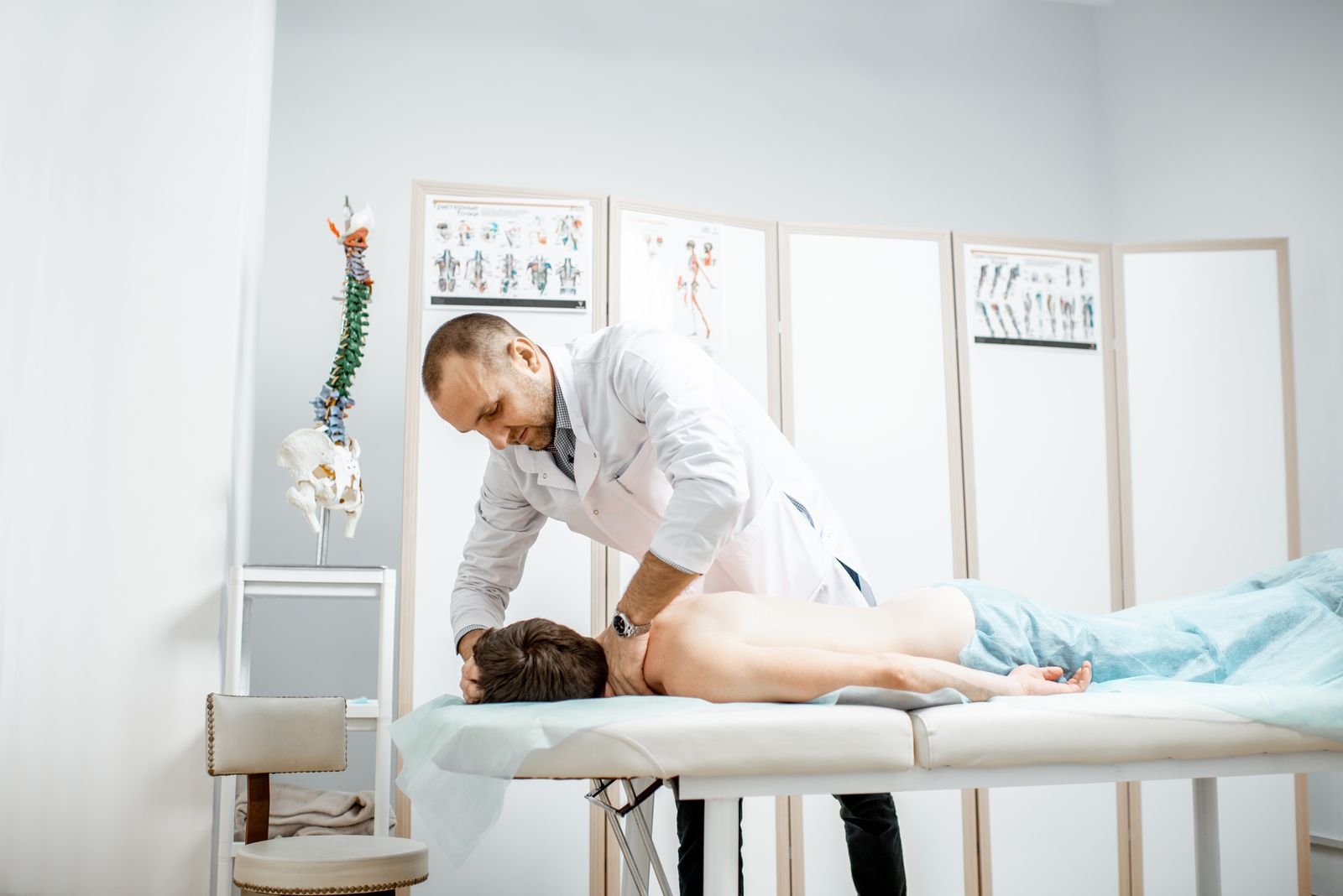
Sciatica usually hurts more in the leg than the back, and symptoms often shift with position and time of day. These are the patterns patients describe most often.
Sharp, burning or electric pain below the buttock, often past the knee
Sitting, coughing, sneezing or bending forward often makes leg pain flare
Numbness or tingling in the calf, foot or toes
The leg often hurts more than the lower back itself
Lying down or changing position often brings noticeable relief
The foot may feel heavy or catch when you walk
A small number of presentations need immediate medical attention rather than physiotherapy. Go to an emergency department right away if you notice any of the following.
Most sciatica starts at a lumbar disc, but several structures can irritate the nerves that travel into the leg.
A lumbar disc bulges or herniates and irritates the nearby nerve root through both pressure and inflammation. It is the most common cause of sciatica, and most herniations shrink and heal over weeks to months without surgery.
Most commonDiscs naturally lose water content and height with age. A worn disc can narrow the space where nerves exit the spine and become a source of recurring low back and leg pain, especially with prolonged loading.
Age-related narrowing of the spinal canal can press on the nerves to the legs, most often after 60. Leg pain with walking that eases when you sit or lean forward is the classic pattern.
The sciatic nerve runs close to the deep buttock muscles. Tightness or irritation here can mimic disc-related sciatica, which is one reason a careful assessment matters before any treatment plan is built.
Bending and twisting under load, or a single heavy lift, can strain or injure a disc. Pain sometimes arrives a day or two after the event rather than at the moment of lifting.
Long hours of sitting, low overall activity levels and reduced back and hip strength all make discs more sensitive to everyday load and slower to settle once they become irritated.
We test which movements provoke and ease your leg pain, check your nerve function, and screen for the rare red flags that need a physician rather than physiotherapy.
We take time to explain what is happening at the disc and nerve, why the pain travels down your leg, and why most disc injuries heal without surgery.
Manual therapy, directional exercises and positioning strategies help draw the pain out of the leg, reduce nerve irritation and let you sleep, sit and move more comfortably.
As symptoms settle, we rebuild back and hip strength and your tolerance for sitting, lifting and activity, so the disc becomes resilient rather than simply protected.
Most people improve meaningfully within 6 to 12 weeks, though nerve symptoms like tingling can take longer to settle fully. Recovery is rarely a straight line, and short flare-ups along the way are normal and do not mean the disc is getting worse.

Your plan is built from your assessment findings. These are the approaches we use most often for nerve-related leg pain.
Directional exercises, nerve mobilization and graded activity form the core of care, guided by how your leg pain responds from session to session.
Joint mobilization and manipulation for the lumbar spine and hips can reduce stiffness and improve how the whole region shares load.
Registered massage releases protective muscle guarding through the low back, buttock and hip, which often eases pressure around the irritated nerve.
Fine needles release tight, overactive muscles in the low back and deep buttock that can add to nerve irritation and referred leg pain.
A gentle option for pain relief that many patients find helpful while the disc and nerve settle over the early weeks of care.
Supervised, progressive exercise rebuilds strength and confidence once acute pain eases, supporting a durable return to work, lifting and sport.


Our friendly team is happy to help. Reach us during clinic hours. We are open 8:00am to 8:00pm on Tuesday and Thursday, and 9:00am to 6:00pm on Monday, Wednesday, Friday, Saturday and Sunday.
Book an appointmentUsually not at first. Imaging rarely changes early treatment, and disc bulges show up on scans of many people who have no pain at all. We recommend imaging when symptoms are severe, progressive or not responding as expected, and we can coordinate that with your doctor.
Most people do not. The large majority of disc herniations improve with conservative care, and the herniated material often shrinks on its own over months. Surgery is generally considered for progressive weakness, red-flag signs or severe pain that has not responded to a proper course of treatment.
Keep moving within comfortable limits. Short rest during a severe flare is fine, but prolonged bed rest tends to slow recovery. We show you positions and movements that ease your leg pain so you can stay active while the nerve settles.
When a disc irritates a nerve root, pain is felt along the path of that nerve, down the buttock and into the leg. Leg-dominant pain is a hallmark of nerve involvement, and tracking where the pain moves helps us monitor your recovery.
No referral is needed for most extended health plans, and we direct bill wherever possible. If your sciatica follows a car accident, ICBC pre-approves up to 25 physiotherapy visits. We are open 8:00am to 8:00pm on Tuesday and Thursday, and 9:00am to 6:00pm on Monday, Wednesday, Friday, Saturday and Sunday, including weekends.
Book an assessment at New Ray Physiotherapy and Health Clinic in Abbotsford. We are open 8:00am to 8:00pm on Tuesday and Thursday, and 9:00am to 6:00pm on Monday, Wednesday, Friday, Saturday and Sunday and direct bill most plans, ICBC and WorkSafeBC.